

How to Store Lacrosse Gear to Prevent Odors
Last Updated: November 16, 2026
Quick Summary
Lacrosse gear smells because sweat and moisture let odor-causing bacteria grow in padding, straps and mesh. To prevent odors, empty the bag after every practice, wipe sweaty surfaces, and hang everything to dry fully before storing it.
- Empty your bag on the spot after practice rather than leaving sweaty gear inside.
- Dry gear for 24 to 48 hours in a ventilated area, turning padding inside out.
- Never store gear while it is still damp, since trapped moisture is the main cause of lasting odor.
- Clean each item by material, because leather, foam, helmets and mesh bags need different care.
- Avoid sealed bins and closed car trunks, which trap heat and humidity that speed bacterial growth.
Table of Contents
- Why Lacrosse Gear Smells and What Stops It
- Step-by-Step Post-Practice Storage Routine
- How to Dry Lacrosse Gear Completely Before Storing
- How to Clean Lacrosse Equipment by Material
- How to Deodorize Lacrosse Gear Safely
- How to Store Sports Equipment in Small Spaces, Cars, and Shared Rooms
- Maintenance Schedule and Troubleshooting Persistent Odor
- Building Your Lacrosse Gear Routine This Season
- Frequently Asked Questions
Why Lacrosse Gear Smells and What Stops It
Lacrosse gear smells because sweat, moisture and warmth let odor-causing bacteria multiply inside padding, straps and mesh. The smell is rarely about one bad practice. It builds up when wet gear sits in a closed bag for days.
Most players think the fix is a stronger scent. It isn't, because fragrance covers odor rather than addressing its cause. The real fix is cutting off the moisture and treating the source directly.
Gear with the most trouble tends to be:
- Gloves and palm padding, which trap sweat against your hands all practice
- Helmets and chin straps, where sweat sits in the liner
- Shoulder pads and arm pads, with foam that holds moisture
- Mesh bags and mouthguards, which stay damp long after the game
Step-by-Step Post-Practice Storage Routine
Follow these steps every time you leave the field. Doing it right after practice does most of the work.
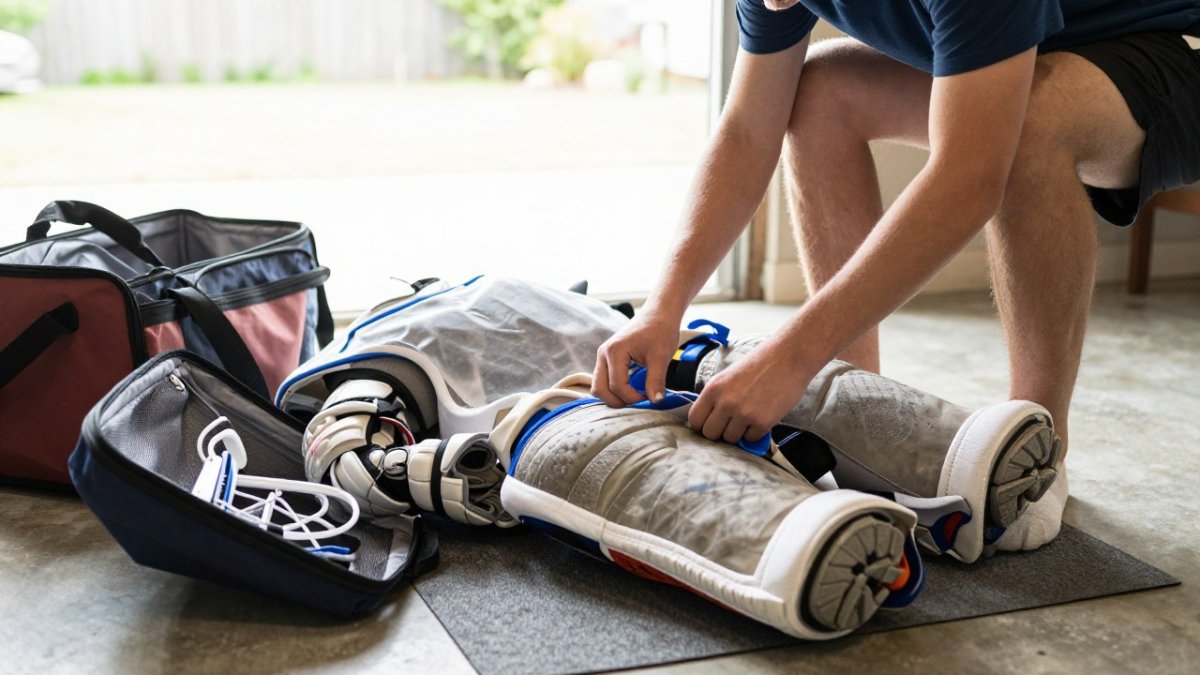
- Empty the bag on the spot. Pull everything out before it goes into the car or locker room.
- Shake off loose dirt and grass. Knock out debris so it doesn't hold moisture.
- Wipe down sweaty surfaces. Use a dry towel on gloves, helmets and pads.
- Unbuckle and open everything. Loosen straps and unzip pockets so air can reach the inside.
- Hang gear to air out. Use hooks or a rack in a ventilated spot, away from direct heat.
- Set mouthguards and shoes apart. Keep them out of the main bag until dry.
Watch out: Don't toss sweaty gear back into the bag to "deal with later." That one habit causes most of the smell problems players report.
How to Dry Lacrosse Gear Completely Before Storing
Storing gear before it's fully dry is the most common cause of persistent odor. Drying usually takes 24 to 48 hours, depending on the material and the room.
- Hang gear in a well-ventilated area with a fan if you have one
- Turn padding inside out so the foam dries from the inside
- Pull gloves open at the cuffs so air can move through
- Never dry gear in direct sunlight for long periods, because heat can warp plastic and weaken foam
A quick check: press a pad or glove against your cheek. If it feels cool or damp, it isn't ready for storage.
How to Clean Lacrosse Equipment by Material
Lacrosse gear is not one material. A single pair of gloves can combine leather palms, synthetic mesh, foam padding, and plastic cuff plates, and each one reacts differently to water, soap, and heat.
- Gloves (leather palms and synthetic backs): Wipe the leather palms with a cloth barely dampened with mild soap and water, then wipe dry immediately. Do not soak leather, because it stiffens and cracks as it dries. For synthetic mesh and cuff plates, use a slightly wetter cloth. Open the cuff and wipe the inside of the palm, which is where sweat pools. Air-dry with the fingers spread and the cuff open, away from heat.
- Shoulder pads, arm pads, and rib pads: These are usually foam covered in mesh or spandex. Spot clean the outer shell with a damp cloth and mild detergent. If the pad has removable liners or a washable sleeve, take them out and machine wash cold on gentle, then air-dry flat. Do not wring foam, because twisting breaks down the cell structure and shortens the pad's life. Turn the pad inside out and let air reach the foam.
- Helmets and chin straps: Remove the sweat liner and any removable padding per the manufacturer's instructions. Wipe the shell with mild soap and water, and clean the chin strap with a damp cloth. Do not submerge the helmet or spray cleaner into the vent holes, because moisture can reach the foam and hardware. Let the liner air-dry fully before reinstalling it.
- Mouthguards: Rinse with cool water and mild soap after every use, then air-dry in an open case. Do not leave a mouthguard in a closed bag or in hot water, which warps it.
- Mesh gear bags: Empty them completely, turn them inside out, and machine wash cold on gentle with mild detergent. Air-dry only. A bag that stays damp is a major odor source because it holds moisture against everything inside it.
- Cleats and turf shoes: Pull out the insoles and wash them separately with mild soap. Wipe the inside of the shoe, and let shoes and insoles dry apart in a ventilated spot. Do not put cleats in the dryer, because heat can soften glue and warp the sole plate.
- Washable clothing (jerseys, shorts, underlayers): Machine wash cold with mild detergent and air-dry. Avoid fabric softener, which can coat technical fabrics and trap odor.
Watch out: Mixing bleach or harsh household cleaners with gear can break down foam, fade shells, and leave residue that irritates skin. Stick to mild soap and products made for sports equipment.
Cleaning method depends on the gear material, so check the care label first and use the approach below.
| Gear | Cleaning approach | Key caution |
|---|---|---|
| Leather glove palms | Wipe with barely damp cloth and mild soap | Do not soak; leather stiffens and cracks |
| Shoulder and arm pads | Spot clean shell; machine wash cold if liners removable | Do not wring foam |
| Helmets and chin straps | Remove liner; wipe shell with mild soap | Do not submerge or spray vent holes |
| Mouthguards | Rinse with cool water and mild soap | Avoid hot water, which warps them |
| Mesh gear bags | Machine wash cold on gentle; air-dry | Damp bags are a major odor source |
| Cleats and turf shoes | Wash insoles separately; air-dry apart | Never put cleats in the dryer |
How to Deodorize Lacrosse Gear Safely
Deodorizing works best after gear is clean and dry. Odor-eliminating products that work at the source, rather than covering odor with fragrance, are a practical choice.
The Zero Smell approach uses bio-based microorganisms to break down the root of odor rather than covering it with fragrance. Our Z-Smell Pouches are made with minerals and active microorganisms, and you can hang them inside a gear bag or locker.
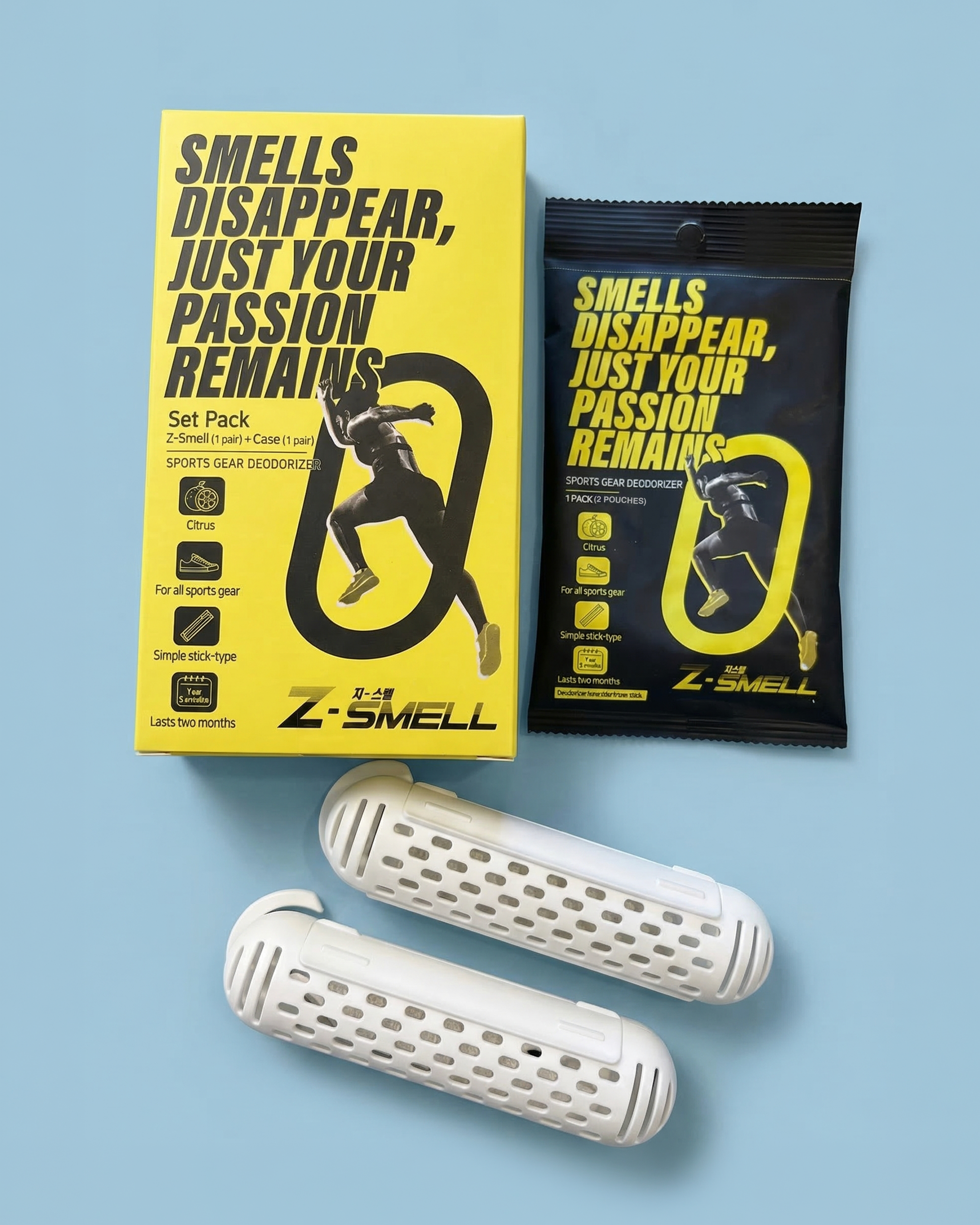
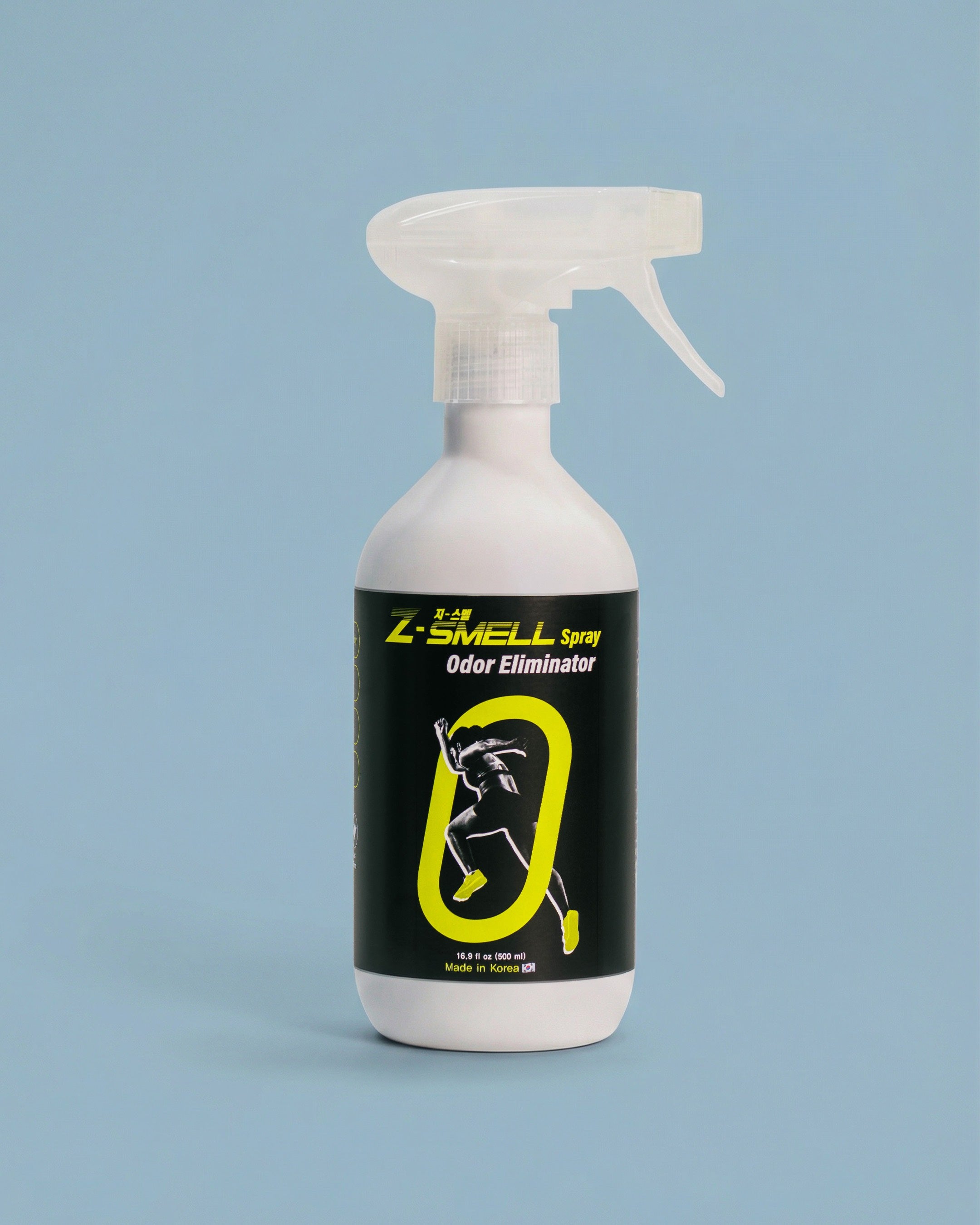
For a spray option, the Z-Smell Spray works on gloves, pads, helmets and shoes. Spray a few times on the inside of the gear, let it sit, and let the product do its work.
Watch out: Don't mix odor products with bleach or harsh household cleaners. Stick to products made for gear.
How to Store Sports Equipment in Small Spaces, Cars, and Shared Rooms
Most players do not have a dedicated gear room. They have a corner of a bedroom, a shared closet, a car trunk, or a garage shelf. Even a compact setup works better when damp pads and gloves can dry separately, and the same airflow-first approach applies to other training gear, as BlackBeltShop notes.
- Wall hooks and a hanging rack: A row of hooks or a simple wall-mounted rack in a bedroom or garage lets gloves, pads, and the bag hang open instead of sitting in a pile. Hanging separates layers so air reaches the inside of pads and the palm of gloves. Keep the rack away from a damp exterior wall and out of direct sun.
- A ventilated drying corner: If you have floor space, a small wire shelving unit or a mesh drying rack works better than a solid shelf because air moves through it. Leave a gap between items rather than stacking pads on top of each other. A clip-on fan pointed at the rack speeds drying without heat.
- Shared bedrooms and closets: Keep gear on a hook or rack with air space around it, not stuffed into a closed closet or under a bed. If the room is small, hang the bag open on the back of a door and let pads hang beside it. Avoid storing gear against a shared wall where condensation can form.
- Car trunks: Treat the trunk as a transport space, not a storage space. Take gear out when you get home, because a closed car in warm weather traps heat and humidity that speed up bacterial growth. If you must leave gear in the car between back-to-back practices, open the bag and crack a window if it is safe to do so, then air everything out fully once you are home.
- Garages and basements: Store gear off the floor on a shelf or hanging rack, away from damp walls and any spot where water pools. Garages and basements tend to run humid, so check gear for dampness before putting it away and consider a small fan in the storage area.
- Travel and tournaments: In a hotel room, hang gear over the shower rod or on a chair with the bag open, and run the room fan. Pack a small odor pouch in the bag, but air gear out before repacking it so you are not sealing moisture in for the ride home.
Watch out: Do not store gear in a closed plastic bin or a sealed bag, even in a small space. Trapped moisture is the problem, and a sealed container makes it worse.
Maintenance Schedule and Troubleshooting Persistent Odor
A simple schedule keeps gear fresh all season:
- After every practice: Empty, wipe, hang.
- Once a week: Wash washable clothing and mesh bags. Check padding for damp spots.
- Once a month: Deep clean helmets, shoes and gloves. Replace odor pouches.
- End of season: Clean everything, dry it fully, and store it in a cool, dry place.
Frequently asked questions
Why does my lacrosse gear still smell after washing? Washing removes surface dirt, but bacteria can remain in foam and padding.
Can I put lacrosse gear in the dryer? Most gear should not go in the dryer. Heat can damage foam, glue and plastic.
Is it safe to use odor products around kids and pets? Choose non-toxic, alcohol-free products made with bio-based ingredients, and follow the label directions.
Building Your Lacrosse Gear Routine This Season
A clean, dry, well-ventilated routine is what keeps lacrosse gear from smelling. Empty the bag after every practice, dry everything fully, clean by material, and use an odor product that works at the source. Start the routine now, and your gear will stay fresh all season.
Frequently Asked Questions
How do you deodorize lacrosse gear?
Start by removing every piece from the bag and airing it out for several hours. For odor that remains, wipe hard surfaces such as helmets and shell pads with a damp cloth, then apply the unscented, non-toxic Zero Smell Z-Spray to the lining and interior. Z-Smell Pouches can be placed inside the equipment bag. Replace the odor treatment regularly and always let gear dry completely before storing it again.
Can you put lacrosse gear in a bag while it is still damp?
No. A closed bag traps moisture, and damp padding and mesh give odor-causing bacteria the warm, wet conditions they need to multiply. Let gloves, pads, and helmets dry fully first, ideally for several hours or overnight in a ventilated area. Then pack them in a bag that has been emptied and aired out. If you must pack gear the same day, leave the bag unzipped in a garage or mudroom so air can keep moving through it.
How often should you wash lacrosse equipment?
Wash washable items such as practice jerseys, compression shirts, and mesh liners after every practice or game, since they hold the most sweat. Hard gear like helmets and shoulder pads needs wiping down after each session and a deeper cleaning every few weeks during the season. Check the manufacturer's care label before washing any padded item, and avoid high heat, which can warp plastic shells and break down foam.
How do you keep lacrosse clothes from smelling?
Rinse or wash practice clothes as soon as you get home rather than letting them sit in a bag. Hang them to dry in a ventilated spot, away from direct heat, and never leave them balled up in the equipment bag. Using a fragrance-free odor treatment in the bag between uses helps control bacteria that cause smell. If a shirt still smells after washing, rewash it and make sure it dries completely before it goes back in storage.