

7 Best Non Toxic Odor Removers for Homes in 2026
Table of Contents
- Why Non Toxic Odor Removers Beat Traditional Air Fresheners
- How We Evaluated These Non Toxic Odor Removers
- Quick Comparison: Best Non Toxic Odor Removers for Homes
- 1. Z-Spray 16.9oz/500ml: Best All-Around Non Toxic Odor Remover
- 2. Z-Spray 33.8oz/1000ml: Best Value for Larger Homes
- 3. Z-Pouch & Case: Best Passive Odor Absorption for Small Spaces
- 4. Z-Smell On The Go 3.38oz/100ml: Best Portable Non Toxic Odor Remover
- 5. 1 Gallon 128oz/4000ml: Best Bulk Option for Whole-Home Odor Control
- How to Neutralize Odors at the Source
- Ingredients to Avoid in Air Fresheners
- Frequently Asked Questions
Last Updated: September 21, 2026
Why Non Toxic Odor Removers Beat Traditional Air Fresheners
A non toxic odor remover for homes works differently than the plug-ins and aerosol sprays most families keep under the sink. Instead of coating a room in synthetic fragrance, it targets the odor source and breaks it down.
How We Evaluated These Non Toxic Odor Removers
We judged each product on five criteria: safety for children and pets, whether it neutralizes or merely masks, coverage per dollar, surface versatility, and how long one purchase lasts.
| Product | Size | Price | Best For | Neutralizes at Source |
|---|---|---|---|---|
| Z-Spray 16.9oz/500ml | 500ml | $19.98 | All-around home use | Yes |
| Z-Spray 33.8oz/1000ml | 1000ml | $34.98 | Larger homes | Yes |
| Z-Pouch & Case | 3 pouches | $19.98 | Small enclosed spaces | Yes |
| On The Go 3.38oz (3-pack) | 3 x 100ml | $23.98 | Portable use | Yes |
| 1 Gallon 128oz/4000ml | 4000ml | $69.98 | Whole-home bulk | Yes |
Quick Comparison: Best Non Toxic Odor Removers for Homes
The short version for anyone scanning before they buy:

- Best all-around: Z-Spray 16.9oz/500ml, the right size for everyday household odors.
- Best value for larger homes: Z-Spray 33.8oz/1000ml, more coverage for a modest price jump.
- Best passive absorption: Z-Pouch & Case, no spraying needed for closets and bins.
- Best portable: On The Go 3.38oz bundle, sized for gym bags and cars.
- Best bulk option: 1 Gallon 128oz/4000ml, the lowest cost per ounce for heavy use.
1. Z-Spray 16.9oz/500ml: Best All-Around Non Toxic Odor Remover
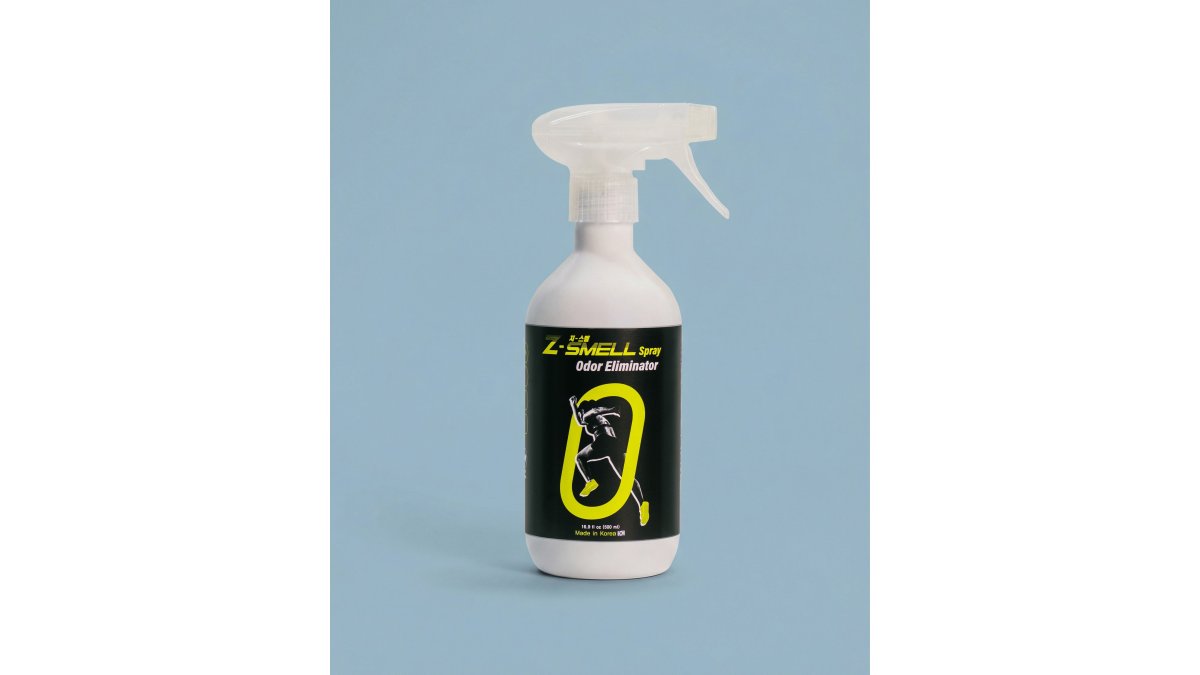
The 16.9oz Z-Spray is the bottle most households should start with: unscented, non-toxic, and built on a bio-based formula that breaks down odor at the source instead of masking it.

2. Z-Spray 33.8oz/1000ml: Best Value for Larger Homes
If you are treating multiple rooms, the 33.8oz bottle makes more sense: double the volume for a small price increase, which lowers your cost per use.
3. Z-Pouch & Case: Best Passive Odor Absorption for Small Spaces
Not every odor problem needs a spray. The Z-Pouch is a passive odor neutralizer you hang or place in enclosed spaces and let work over time.
4. Z-Smell On The Go 3.38oz/100ml: Best Portable Non Toxic Odor Remover
The On The Go bundle packs three 100ml bottles sized for a glovebox, gym bag, or backpack, carrying the same bio-based formula as the full-size sprays.
5. 1 Gallon 128oz/4000ml: Best Bulk Option for Whole-Home Odor Control
For heavy, ongoing use, the gallon is the most economical choice, delivering the lowest cost per ounce here for households that treat odors constantly.
How to Neutralize Odors at the Source
Neutralizing odors at the source means removing the compound causing the smell, not covering it. Masking sprays add fragrance on top; neutralizers break down the odor molecules themselves, the difference between a treatment that lasts hours and one that lasts weeks.
The chemistry, in plain terms
Most household odors are volatile molecules: they evaporate off a surface, travel through the air, and bind to receptors in your nose. There are three broad ways to deal with them:
- Masking: add a stronger-smelling molecule on top. The original odor is still there, still evaporating, and returns as soon as the fragrance fades. This is how most aerosol sprays and plug-ins work.
- Adsorption: trap the odor molecule on the surface of a porous material. Activated carbon, zeolite, and bentonite clay work this way. The molecule sticks to the material's internal surface area instead of floating into the room. This is why charcoal and mineral pouches work slowly but continuously in closed spaces.
- Chemical breakdown: use enzymes or beneficial microorganisms to break the bonds that make the molecule volatile in the first place. Once the bond is broken, the compound is no longer the same odor molecule, so there is nothing left to smell. This is the mechanism behind bio-based, enzyme-driven neutralizers.
A step-by-step approach that works across most household odors
- Find the source. Odors in fabric, padding, or carpet come from bacteria and trapped compounds, not the air. Spraying the air does nothing for a smell living in a mattress.
- Remove loose debris. Vacuum or wipe away crumbs, pet hair, or residue first. Odor molecules cling to organic matter, so removing it removes part of the problem.
- Apply the neutralizer directly to the surface. Shake lightly, spray a few times, and let it sit. Coverage matters more than volume; a light, even pass beats a soaking.
- Give it contact time. Enzymes and microorganisms need time to break the odor bonds. A few minutes is the minimum; longer is better on deep-set smells.
- Repeat for deep-set smells. Gear and carpet often need a second pass a day later, because odor-causing bacteria live deep in the padding and a single pass misses the worst of it.
- Ventilate. Open a window and let airborne particles clear while the formula works. Ventilation does not neutralize anything, but it shortens the time the loosened molecules spend in the room.
Matching the tool to the odor
- Sudden, strong smell (spilled milk, pet accident): an enzyme-based spray applied directly to the source, then air-dried. Speed matters here.
- Ongoing background odor (closet, locker, storage bin): a passive adsorber like a charcoal or mineral pouch. It will not fix a fresh spill, but it keeps a closed space from accumulating smell over weeks.
- Fabric and upholstery: spray, let dry, and avoid wiping. Wiping removes the formula before it can work.
- Hard surfaces: wipe first to remove residue, then spray and let dry.
Ingredients to Avoid in Air Fresheners
The safest air freshener is the one you can read the label on, but fragrance disclosure rules let companies hide dozens of compounds behind a single word. Here is what to look for, and which "natural" ingredients can be just as risky as synthetic ones.
The synthetic ingredients worth avoiding
- Synthetic fragrance (often listed as "fragrance" or "parfum"): an umbrella term that can legally conceal a mix of dozens of undisclosed chemicals, including known irritants. You cannot evaluate what you cannot see.
- Phthalates (often disguised as "diethyl phthalate" or "DEP"): used to make scent linger on fabric and in the air. Many households now specifically look for phthalate-free labels.
- Volatile organic compounds (VOCs): emitted by many aerosol sprays, plug-ins, and scented candles. The EPA's indoor air quality guidance notes that indoor concentrations of some pollutants can run several times higher than outdoor levels, and fragranced products are a common indoor contributor.
- Alcohol (ethanol, isopropyl): dries out fabric fibers over time and can irritate sensitive skin, which matters on pet beds and children's bedding.
- Aerosol propellants: add fine airborne particles you and your family then breathe, and they spread the fragrance across a wider area than a directed spray.
The "natural" ingredients that are not automatically safe
This is the part most guides skip: a plant-derived ingredient is not automatically a safe one, especially in homes with pets or infants.
- Essential oils: many are marketed as natural fragrance, but several common ones are toxic to cats and dogs even in small amounts. Tea tree, eucalyptus, peppermint, citrus, pine, and wintergreen oils are frequent offenders. Cats in particular lack the liver enzymes to metabolize many of these compounds, so a diffuser running in a closed room can be a real hazard.
- "Fragrance-free" vs. "unscented": these are not the same claim. "Unscented" products may still contain masking fragrance to neutralize the smell of raw ingredients. "Fragrance-free" means no fragrance was added at all. If you are avoiding scent for a medical or sensitivity reason, look for fragrance-free.
- Citrus and botanical extracts: pleasant and plant-based, but some are photosensitizing on skin and can be irritating to pets that groom themselves after contact.
A practical label-reading routine
- Flip the bottle and read the ingredient panel, not the front label. Marketing claims live on the front; ingredients live on the back.
- Search for the words "fragrance," "parfum," and any "-phthalate." If any appear, treat the product as scented regardless of what the front says.
- If you have cats, scan for essential oils. When in doubt, choose a fragrance-free formula over a naturally scented one.
- For infants and toddlers, prioritize fragrance-free and alcohol-free, since these surfaces are the ones they crawl on and mouth.
The American Lung Association's guidance on indoor air recommends limiting fragranced and aerosol products in the home, particularly around children and anyone with asthma or allergies. A fragrance-free, plant-based formula sidesteps most of these concerns at once, which is why it is the simplest rule for a household with mixed ages and pets.
Frequently Asked Questions
What is the safest odor eliminator for home use?
The safest options are unscented, non-toxic formulas that break down odor molecules instead of covering them with synthetic fragrance. Look for products labeled fragrance-free, alcohol-free, and safe for use around children and pets. Bio-based odor removers that use microorganisms to neutralize odors at the source are a strong choice because they avoid harsh chemicals and volatile organic compounds that can worsen indoor air quality.
Do bio-based odor eliminators actually work on pet smells?
Yes. Bio-based odor eliminators use beneficial microorganisms to break down the compounds that cause pet odors, rather than masking them with fragrance. This makes them effective on pet beds, blankets, kennels, and litter boxes. They also help eliminate the odors that cause pets to urinate in the same spot repeatedly. For best results, spray the affected area thoroughly and let the formula work.
How do I neutralize odors at the source instead of just masking them?
To neutralize odors at the source, you need a product that destroys the chemical bonds creating the smell rather than layering a scent on top. Spray directly onto the odor-causing surface, whether that is gym gear, carpet, a couch, or a trash can. Bio-based formulas with microorganisms are designed for this. Let the product sit and work, and repeat for stubborn odors.
Are fragrance-free odor removers better for indoor air quality?
Fragrance-free odor removers are generally better for indoor air quality because they avoid synthetic fragrance, which can contain phthalates and other volatile organic compounds that contribute to indoor air pollution. For households with allergies, chemical sensitivities, or young children, choosing a fragrance-free, non-toxic option reduces exposure to airborne particles and supports a cleaner home environment.
What should I avoid in a non-toxic odor remover?
Avoid products with synthetic fragrance, phthalates, alcohol, and harsh chemicals that can irritate skin or respiratory systems. Check labels for terms like fragrance-free, non-toxic, and pet-safe. Also steer clear of products that only mask odors with strong scents, since they do not address the odor source and can add to indoor air pollution over time.