

Remove Car Interior Odors Without Chemicals
Table of Contents
- Identify the Source of the Odor
- Remove Trash and Odor-Causing Debris
- Vacuum Carpets, Seats, and Crevices Thoroughly
- How to Get Rid of Car Odor Naturally
- Remove Smoke Smell from Car Upholstery
- Remove Musty Smell from Car Carpet
- Natural Car Odor Absorbers That Work
- Common Mistakes to Avoid When Deodorizing
- Frequently Asked Questions
Last Updated: October 21, 2026
Identify the Source of the Odor
The first step to remove car interior odors without chemicals is finding where the smell originates. You can't fix what you don't understand. Most people spray air fresheners everywhere and hope the odor disappears. That doesn't work.
Common odor sources in vehicle interiors fall into a few categories. Food spills trapped under seats attract bacteria. Pet accidents soak into carpet fibers and padding.
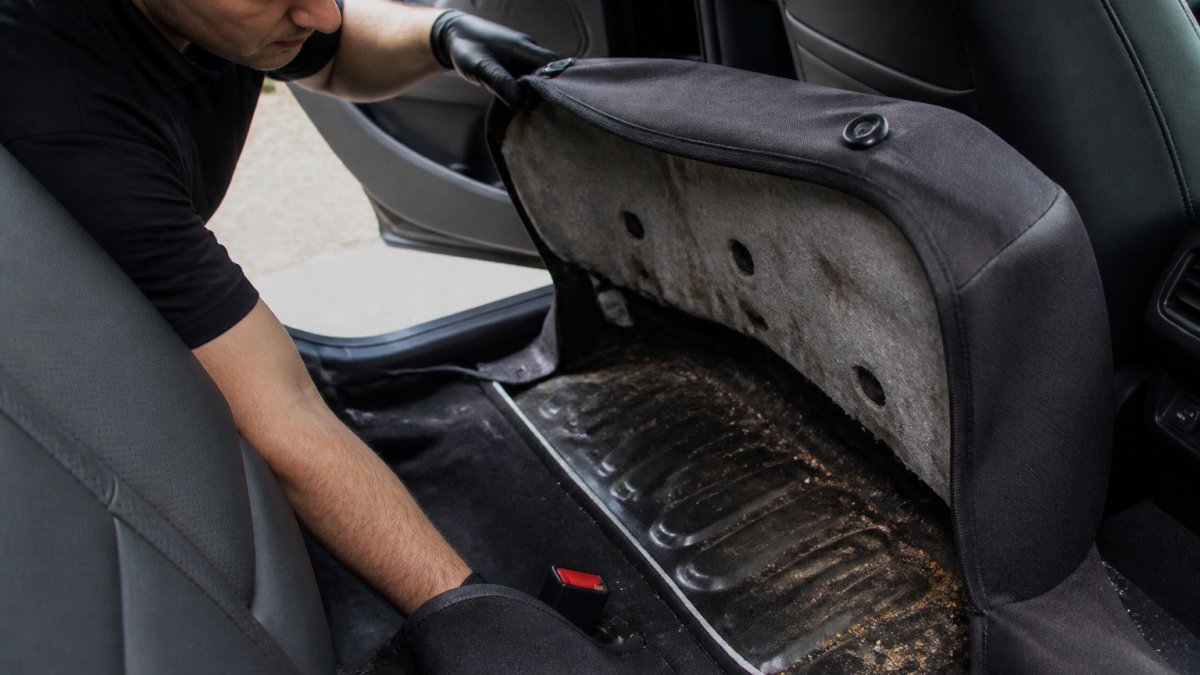
To locate persistent odor hotspots, start by sniffing specific areas. Lean down near the floor mats. Check under the seats. Open the glove compartment and door panels. Smell the carpet directly.
Remove Trash and Odor-Causing Debris
Before treating odors, remove everything that causes them. Trash is the easiest fix and the most overlooked. Check every crevice. Pull out floor mats and shake them outside. Empty the trunk. Look under the seats with a flashlight. Remove old receipts, forgotten snacks, and anything else that's been sitting there.
Pet owners should inspect the carpet for dried urine or feces. Food spills harden into crusty deposits that harbor bacteria. These physical sources feed the odor. No natural treatment works if the debris stays behind. Remove the trash first, then treat what remains.
Once you've cleared the visible mess, your car is ready for deeper cleaning and odor elimination.
Vacuum Carpets, Seats, and Crevices Thoroughly
Vacuuming pulls up debris that brushing misses. Use a standard household vacuum with an upholstery attachment. Start with the carpet. Move the vacuum slowly across every inch of floor space.
Next, vacuum the seats themselves. Use the upholstery attachment to get into the crevices between cushions. Lift the seat cushions if possible and vacuum underneath. Don't rush this step.
Finally, vacuum the interior walls, dashboard, and any fabric-covered surfaces. Dust settles on these areas and contributes to stale smells. A thorough vacuum removes dust, hair, skin cells, and other organic matter that bacteria feed on.
After vacuuming, your car interior is clean enough for the next step: treating odors naturally.
How to Get Rid of Car Odor Naturally
Removing car odors without chemicals requires three steps: air circulation, applying natural absorbers, and using bio-based eliminators. This approach works because it addresses the problem from multiple angles. Air circulation removes volatile compounds. Absorbers trap odor molecules. Bio-based products break down the bacteria and compounds that create smells. Targeting specific sources like pet dander helps remove upholstery odors more effectively when combined with these broader cleaning techniques.
Step 1: Air Circulation and Ventilation
Open the windows and let fresh air flow through your car for at least 15 minutes daily. Stale air traps odor molecules inside. Fresh air replaces them. On warm days, crack the windows while parked. On cool days, drive with the windows down if you can tolerate it.
Run your car's ventilation system on the fresh air setting (not recirculate). This pulls outside air through the cabin. If your cabin air filter is clogged, replace it. A dirty filter restricts airflow and allows odors to linger. Most filters cost under $30 and take 10 minutes to swap.
Ventilation alone won't eliminate odors, but it's the foundation. You need fresh air moving through the space while you apply other treatments.
Step 2: Apply Natural Odor Absorbers
Natural absorbers trap odor molecules without adding fragrance. Baking soda, activated charcoal, and mineral-based products work by capturing odor compounds rather than masking them.
Sprinkle baking soda on carpets and seats. Let it sit for several hours or overnight. The longer it sits, the more odor it absorbs. Vacuum it up thoroughly. Repeat if needed. Baking soda is cheap, safe, and effective for light to moderate odors.
For stronger odors, activated charcoal works better. Place charcoal bags under the seats or in the trunk. Charcoal absorbs odors passively over several days. Unlike baking soda, you don't apply it directly to fabric, so it won't leave residue.
Step 3: Use Bio-Based Odor Eliminators
Bio-based products break down the bacteria and organic compounds that create odors. These are different from absorbers. They don't trap smells, they eliminate the source. Zero Smell uses beneficial microorganisms to neutralize odors at their root. The formula is non-toxic, alcohol-free, and safe around children and pets.
Spray bio-based eliminators on carpets, seats, and upholstery. A few sprays go a long way. Let the product work for a few hours. The microorganisms attack the bacteria and organic matter creating the smell.
For a car that's been sitting closed for weeks, apply a bio-based eliminator, then ventilate for 24 hours. The combination removes odors completely rather than just covering them up.
Remove Smoke Smell from Car Upholstery
Smoke odor is stubborn because smoke particles penetrate deep into fabric. Vacuuming alone won't eliminate it. You need a multi-step approach.
Start by airing out the car. Drive with windows down for 20 minutes. Park in sunlight if possible, UV rays help break down smoke compounds.
Spray a bio-based eliminator directly on all upholstered surfaces. Seats, headliner, door panels, and carpets all absorb smoke. Don't just spray the obvious areas.
If the smell persists, sprinkle baking soda on the seats and carpet. Leave it for 24 hours, then vacuum thoroughly. Repeat if necessary.
For severe smoke odor, place activated charcoal bags under the seats and in the trunk. Change them every few days until the smell is gone.
Remove Musty Smell from Car Carpet
Musty smells mean moisture and mold are present. This requires both odor elimination and moisture control.
First, identify where moisture is entering. Check for leaks around the windows, door seals, and sunroof. Look under the carpet for standing water. If you find water, dry the area completely with towels and run the defroster on high to evaporate remaining moisture.
Once the area is dry, spray a bio-based eliminator on the affected carpet. The product kills mold spores and bacteria creating the musty smell. Let it dry completely.
Addressing Moisture and Mold Issues
Moisture returns if the source isn't fixed. Seal any leaks you found. Check the drain tubes under the doors, they can clog and trap water inside the door panels.
Run the AC on a warm day with the windows up. This pulls moisture from the air and dries the interior. Leave the car in the sun for a few hours if possible.
Place bags of activated charcoal or containers of baking soda inside the car overnight. These absorb residual moisture and odors. Replace them every few days until the musty smell is completely gone.
If mold is visible on the carpet, that area may need professional cleaning or replacement. For light mold smell, the steps above work well.
Natural Car Odor Absorbers That Work
The best natural absorbers are inexpensive and effective. They work by trapping odor molecules rather than adding fragrance.
Baking Soda for Odor Absorption
Baking soda is the cheapest option. A box costs a few dollars. Sprinkle it generously on carpets and seats. Let it sit for 8-24 hours. The longer it sits, the more odor it absorbs. Vacuum thoroughly to remove all residue.
For spot treatment, mix baking soda with a small amount of water to make a paste. Rub it into stained areas. Let it dry, then vacuum. This works well on seat upholstery and floor mats.
Baking soda works best on light to moderate odors. For strong smells, combine it with other methods.
Activated Charcoal and Mineral-Based Solutions
Activated charcoal absorbs odors passively. Place bags under the seats or in the trunk. They work continuously without effort. Charcoal bags last several weeks before losing effectiveness. Replace them when the smell returns.
Mineral-based solutions like Z-Pouch & Case combine bentonite and zeolite with active microorganisms. This combination absorbs odors and eliminates the bacteria causing them.
Mineral-based products are safe for all car surfaces and won't damage upholstery or leather.
Vinegar and Other Household Remedies
White vinegar neutralizes odors through chemistry. Mix equal parts vinegar and water in a spray bottle. Spray it on carpets and seats. The vinegar smell is strong initially but fades as it dries. The odor it's treating fades with it.
For fabric, spray lightly to avoid soaking the material. For hard surfaces, spray more generously. Let everything dry completely.
Lemon juice works similarly. Mix lemon juice with water and spray on odor sources. The citric acid breaks down odor-causing compounds.
Coffee grounds absorb odors and add a neutral smell. Place dried grounds in a bowl under the seats. Replace them every few days.
| Absorber | Cost | Best For | How Long It Lasts |
|---|---|---|---|
| Baking soda | $2-5 | Light to moderate odors | 8-24 hours per application |
| Activated charcoal | $5-15 | Ongoing absorption | 2-4 weeks per bag |
| Vinegar spray | $2-5 | Quick treatment | 24-48 hours |
Common Mistakes to Avoid When Deodorizing
The biggest mistake is masking odors instead of eliminating them. Air fresheners, scented sprays, and fragrance products cover bad smells temporarily.
Another common error is treating only one area. Odors spread throughout the car.
Don't skip ventilation. Fresh air is essential. Without it, moisture and stale air keep odors alive. Open the windows daily, even in winter.
Avoid using chemical sprays if you have children or pets.
Don't apply baking soda and forget about it. If you leave it on upholstery for weeks, it hardens and becomes difficult to vacuum out.
Finally, don't ignore moisture. If your car smells musty, water is trapped inside.
Removing car interior odors without chemicals is straightforward once you know the steps.
Frequently Asked Questions
How do you find the source of a bad smell in a car?
Start by checking the most common odor sources: floor mats and carpets (especially near doors where water enters), under seats where food debris accumulates, the cabin air filter, and door panels where moisture can hide. Smell near each area individually with windows closed. If the odor is musty, check for water leaks or moisture under the carpet. For pet or food odors, trace the smell to specific seats or areas where spills occurred. Once you identify the source, you can treat it directly instead of masking the problem.
What absorbs odors in a car naturally?
Baking soda, activated charcoal, and mineral-based absorbers work by trapping odor molecules. Sprinkle baking soda on carpets and seats, leave it for 15-30 minutes, then vacuum thoroughly. Activated charcoal bags can be placed under seats or in cup holders for continuous absorption. Bio-based solutions like Z-Smell pouches use beneficial microorganisms and minerals to neutralize odors at the source rather than just absorbing them. These natural car odor absorbers are safe for children and pets and don't leave chemical residues.
Can baking soda remove odors from car upholstery?
Yes, baking soda can help reduce odors from car upholstery by absorbing some odor molecules. Sprinkle it generously on seats and carpets, let it sit for 20-30 minutes, then vacuum thoroughly. However, baking soda works best as part of a multi-step approach. For stubborn smells like smoke or pet odor, combine baking soda with thorough cleaning and a bio-based odor eliminator. Baking soda absorbs surface odors but doesn't eliminate the bacteria or compounds creating persistent smells, so it's most effective on fresh or mild odors.
Is a bio-based odor eliminator safe to use around children and pets?
Yes, bio-based odor eliminators like Z-Smell are specifically formulated to be safe for families and pets. They contain no harsh chemicals, alcohol, or synthetic fragrances. Instead, they use beneficial microorganisms and natural minerals to break down odor-causing compounds at the source. This makes them ideal for parents concerned about chemical sensitivities or allergies. Always follow application instructions, and ensure proper ventilation while the product works. Bio-based solutions eliminate odors rather than masking them, making your car interior genuinely fresh and safe.