

Safe Laundry Products for Chemical Sensitivity
Table of Contents
- Understanding Chemical Sensitivity and Laundry Choices
- Laundry Detergent Ingredients to Avoid
- Fragrance-Free Laundry Detergent for Sensitive Skin
- How to Remove Odor From Clothes Without Fragrance
- EPA Safer Choice Laundry Detergent Standards
- Testing and Introducing New Products Safely
- Frequently Asked Questions
Last Updated: October 10, 2026
Understanding Chemical Sensitivity and Laundry Choices
Chemical sensitivity affects how your body reacts to everyday products, making the selection of safe laundry products chemical sensitivity requires careful attention. For some people, exposure to fragrances, dyes, or harsh surfactants in laundry detergents triggers skin irritation, respiratory symptoms, or allergic reactions. Finding safe laundry products for chemical sensitivity means understanding what triggers your reactions and choosing formulations that eliminate those irritants.
The challenge isn't just finding fragrance-free options, it's identifying products that truly avoid problematic ingredients while still delivering cleaning power. Many people with chemical sensitivity discover that "fragrance-free" labels don't tell the whole story. Some products still contain synthetic chemicals designed to mask odors or improve texture, which can trigger reactions in sensitive individuals.
Laundry Detergent Ingredients to Avoid
When shopping for safe laundry products for chemical sensitivity, reading ingredient lists matters more than marketing claims. Several common detergent components trigger reactions in sensitive individuals, but understanding why they cause problems helps you identify which formulations to avoid.
Synthetic Fragrances and Masking Agents Synthetic fragrances are the most obvious culprit, but they're far from the only problem. Fragrance compounds in laundry detergents often include dozens of undisclosed chemicals, manufacturers are not required to list individual fragrance components on the label. Common fragrance allergens include limonene (citrus scent), linalool (floral), and eugenol (spice), which can trigger contact dermatitis or respiratory irritation in sensitive individuals.
Optical Brighteners and Dyes Optical brighteners (also called fluorescent whitening agents) are chemicals that absorb ultraviolet light and re-emit it as visible blue light, making whites appear brighter. Common optical brighteners include stilbene and naphthalimide compounds. For people with chemical sensitivity, these can accumulate on fabric fibers and irritate skin, especially in areas of friction or moisture. Dyes added for color appeal, often azo dyes or triphenylmethane dyes, may cause contact dermatitis or systemic reactions in sensitive individuals.
Surfactants: Strength and Source Surfactants, the cleaning agents in detergent, vary widely in strength and chemical origin. Anionic surfactants (the most common type) include sodium lauryl sulfate (SLS) and sodium laureth sulfate (SLES). SLS is harsher and more likely to strip skin oils and trigger irritation; SLES is milder but may contain 1,4-dioxane, a byproduct of the ethoxylation process. Plant-based surfactants derived from coconut or corn are gentler but less effective on heavy soil. Some people tolerate plant-based surfactants while reacting to petroleum-derived ones; others find the opposite true.
Preservatives and Enzymes Preservatives like methylisothiazolinone (MIT) and methylchloroisothiazolinone (CMIT) prevent bacterial growth in liquid detergents but are known sensitizers. Powder detergents typically contain fewer preservatives because the dry environment inhibits microbial growth. Enzymes (protease, amylase, lipase) break down protein, starch, and fat stains but can irritate sensitive skin through direct contact or residual enzyme activity on fabric. Some people with chemical sensitivity react to enzyme-containing detergents even after rinsing; others tolerate them without issue.
Builders and Water Softeners Builders like sodium tripolyphosphate (STPP) or zeolites soften water and improve detergent performance, but they can leave mineral residue on fabric. In areas with hard water, this residue accumulates and traps detergent, creating a cycle of irritation. Phosphate-free builders are now standard in most detergents, but zeolite and citrate-based alternatives still interact with water minerals differently depending on your local water hardness and washing machine type.
Reading Labels for Hidden Triggers Look for products that explicitly state they contain no dyes, no optical brighteners, no synthetic fragrances, and no enzymes. Some detergents list "fragrance" or "parfum" as a single ingredient to obscure the actual chemicals involved. Avoiding these products protects you from unknown irritants. Check the full ingredient list, not just the front label; "natural" or "plant-based" claims do not guarantee safety for chemical sensitivity. Even plant-derived ingredients can trigger reactions in sensitive individuals.
Fragrance-Free Laundry Detergent for Sensitive Skin
Fragrance-free laundry detergent for sensitive skin removes the most common trigger while maintaining cleaning effectiveness. The best options use minimal, transparent ingredient lists with plant-based or hypoallergenic components.
Powder detergents and liquid detergents each have trade-offs for sensitive skin. Powders often contain fewer preservatives and additives, making them safer for some people. Liquids dissolve completely, leaving less residue on clothes, an important factor for those whose skin reacts to detergent buildup. The choice depends on your water temperature, washing machine type, and individual tolerance.
When introducing a fragrance-free laundry detergent, start with small amounts. Use half the recommended dose for your first wash. Many people with chemical sensitivity find they need less detergent than standard guidelines suggest, especially if their water is soft or their loads are lightly soiled.
Fragrance-free detergents designed for sensitive skin typically cost slightly more than standard options, but they eliminate the most common irritant and reduce the risk of unexpected reactions.
How to Remove Odor From Clothes Without Fragrance
Removing odor from clothes without fragrance requires methods that neutralize smells rather than mask them. This distinction matters for people with chemical sensitivity, since masking fragrances can trigger reactions.
Baking soda is a common approach: add half a cup to your wash cycle to neutralize odors. White vinegar works similarly, a half cup in the rinse cycle breaks down odor-causing compounds without leaving a chemical smell. Both are inexpensive and widely available.
For persistent odors in gym gear or athletic wear, soaking clothes in water with baking soda for several hours before washing improves results. Some people find that adding an extra rinse cycle reduces detergent residue, which itself can trap odors in fabric fibers.
The key difference between fragrance-free odor removal and standard approaches is avoiding products that simply cover bad smells with stronger scents. When you're managing chemical sensitivity, true odor elimination, breaking down the chemical bonds that create the smell, works better than fragrance masking.
| Method | Best For | How It Works |
|---|---|---|
| Baking soda | General odor removal | Neutralizes acidic compounds |
| White vinegar | Detergent residue odors | Breaks down alkaline buildup |
| Extra rinse cycle | Sensitive skin reactions | Removes trapped detergent |
| Air drying | Persistent gym odors | UV light and oxygen naturally break down compounds |
EPA Safer Choice Laundry Detergent Standards
The EPA Safer Choice program identifies cleaning products that meet stringent safety standards. Products carrying the Safer Choice label have been evaluated for human health and environmental impact (the EPA). For people with chemical sensitivity, the EPA Safer Choice standard provides third-party verification that a product avoids the most harmful chemicals.
Safer Choice-certified detergents exclude ingredients linked to skin sensitization, respiratory irritation, and aquatic toxicity. This doesn't guarantee zero reactions, individual sensitivities vary, but it narrows the field to products that have passed rigorous safety screening.
When evaluating safe laundry products chemical sensitivity, checking for the EPA Safer Choice label offers peace of mind. The certification applies to both powder and liquid formulations, so you can choose the format that works best for your household while maintaining confidence in ingredient safety.
Testing and Introducing New Products Safely
Introducing a new detergent when you have chemical sensitivity requires a gradual, cautious approach. Even products labeled fragrance-free can contain unexpected irritants. A structured testing protocol minimizes exposure and helps you identify which products work for your body and household.
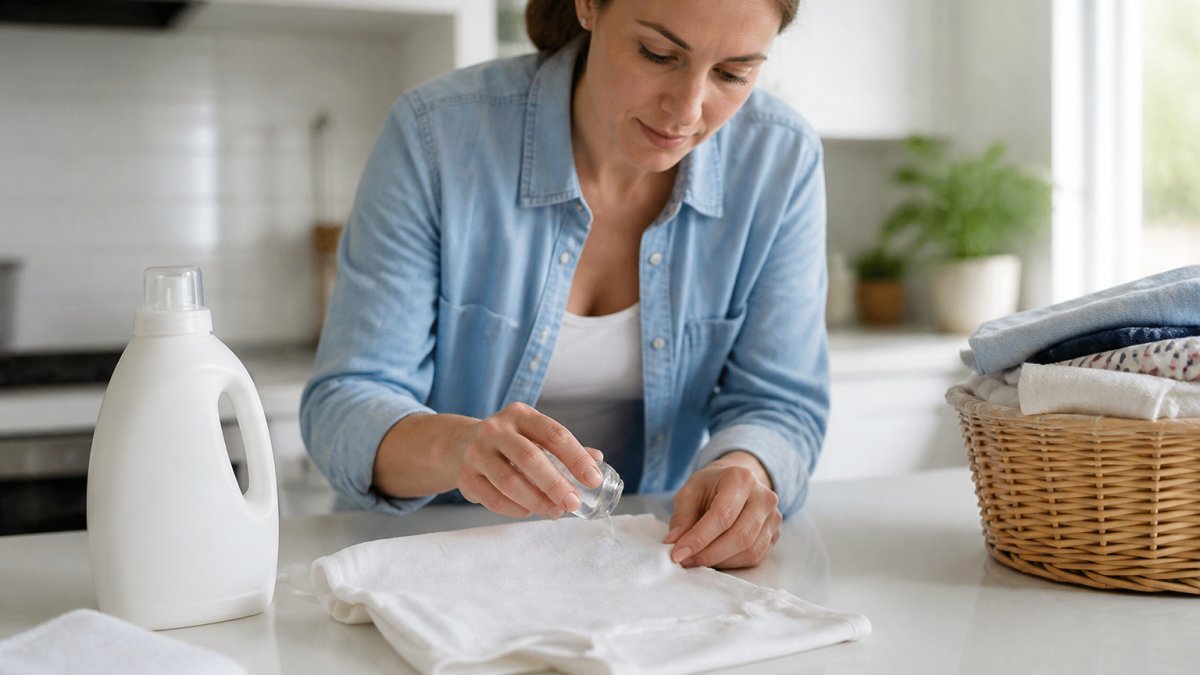
Step-by-Step Product Testing Protocol
Phase 1: Skin Patch Test (Before Laundry) Apply a small amount of diluted detergent (one part detergent to five parts water) to your inner wrist or behind your ear. Wait 24 hours. If no itching, redness, or irritation appears, proceed to Phase 2. If any reaction occurs, discontinue the product.
Phase 2: Single-Item Wash Test Wash a single item of clothing, ideally something worn close to your face, neck, or sensitive skin areas (a pillowcase, undershirt, or sleep shirt). Use half the recommended detergent amount for your load size. Most people with chemical sensitivity find they need less detergent than standard guidelines suggest.
Phase 3: Small Load Test Wash a small load (5-7 items) using the same half-dose of detergent. Wear multiple items from this load over 2-3 days, rotating which pieces you wear closest to sensitive skin. Track any delayed reactions that may appear 12-48 hours after wearing.
Phase 4: Normal Load and Routine Wash a normal-sized load using the recommended dose for your machine and load size. Continue wearing clothes from this load for one week, monitoring for any cumulative irritation. If no reaction occurs, the product is likely safe for ongoing use.
Household Factors That Affect Residue and Reactions
The same detergent can trigger reactions in one household but work fine in another because of water quality, machine type, and washing practices. Understanding these factors helps explain why a product recommended by a friend may not work for you.
Water Hardness and Mineral Content Hard water (high in calcium and magnesium) prevents detergent from dissolving completely and causes mineral buildup on fabric. This residue traps detergent and irritants, increasing the likelihood of skin reactions.
Washing Machine Type High-efficiency (HE) machines use less water and require HE-specific detergents formulated to produce fewer suds. Standard machines use more water and may rinse detergent more thoroughly. If you have an HE machine, using standard detergent (even fragrance-free) can leave excess residue because the formulation is not designed for low-water rinsing.
Load Size and Detergent Dose Overloading the machine prevents water and detergent from circulating freely, leaving residue on clothes. Underestimating how much detergent you need can result in poor cleaning and odor, prompting you to rewash and expose yourself to more chemical contact.
Rinse Cycles An extra rinse cycle removes more detergent residue, especially important if you have hard water, use an HE machine, or have severe chemical sensitivity.
Tracking Reactions and Identifying Patterns
Keep a simple record of which products work and which trigger reactions. Note the product name, date tested, detergent amount used, water temperature, load size, and any symptoms that appeared.
This personal data becomes more valuable than any general recommendation. If a product works for you, note the specific ingredients (surfactant type, preservative system, enzyme presence) so you can identify similar products in the future.
Frequently Asked Questions
What laundry detergent is safest for people with chemical sensitivity?
Look for fragrance-free, dye-free detergents with minimal ingredients and no optical brighteners. EPA Safer Choice certified products meet strict safety standards. Start with small amounts on a test patch of clothing before washing full loads. Individual reactions vary, so patch testing is essential, what works for one person may trigger a reaction in another. Avoid products listing 'fragrance,' 'perfume,' or 'essential oils' on the ingredient label.
Are fragrance-free and unscented laundry detergents the same?
No. Unscented detergents may contain masking fragrances that hide odors without adding obvious scent, while fragrance-free products contain no added scent compounds at all. For chemical sensitivity, fragrance-free is the safer choice because it eliminates exposure to fragrance chemicals entirely. Check the ingredient list carefully, fragrance-free products should not list fragrance, perfume, or fragrance compounds.
How can I remove odors from clothes without scented laundry products?
Odor elimination without fragrance relies on proper washing technique and ingredient choice. Use fragrance-free detergent formulated to break down odor-causing compounds at the source. Add an extra rinse cycle to reduce detergent residue, which can trap odors. For stubborn smells like gym gear or pet bedding, soak clothes in fragrance-free detergent before washing, or use baking soda as a pre-wash booster. Air-dry when possible to allow residual moisture to evaporate.
What ingredients in laundry detergent trigger skin irritation for sensitive skin?
Common irritants include synthetic fragrances, dyes, optical brighteners, and certain surfactants. Sulfates can strip natural skin oils and trigger reactions. Enzymes and bleach alternatives affect some people. Preservatives like methylisothiazolinone (MIT) cause contact allergies in sensitive individuals. Read ingredient lists for these compounds, and choose detergents labeled hypoallergenic with the shortest ingredient list possible. Patch testing on a small area before full use helps identify personal triggers.