

Which Non-Toxic Odor Spray Works for Multi-Pet Homes?
Last Updated: November 19, 2026
Quick Summary
For multi-pet homes, a non-toxic odor spray should break down odor sources rather than mask them, and should be unscented and alcohol-free to suit cats, dogs, birds and children. Zero Smell's Z-Spray is one option, described as using beneficial microorganisms to break down odor sources. Test a hidden area first and keep animals off the surface until it dries.
- Check the ingredient list for whether the formula is scented, alcohol-free and discloses its preservatives.
- Cats groom by licking, so an unscented, fragrance-free formula is the lower-risk choice in cat households.
- Birds are most vulnerable to airborne irritants, so ventilate and keep them out of the room until dry.
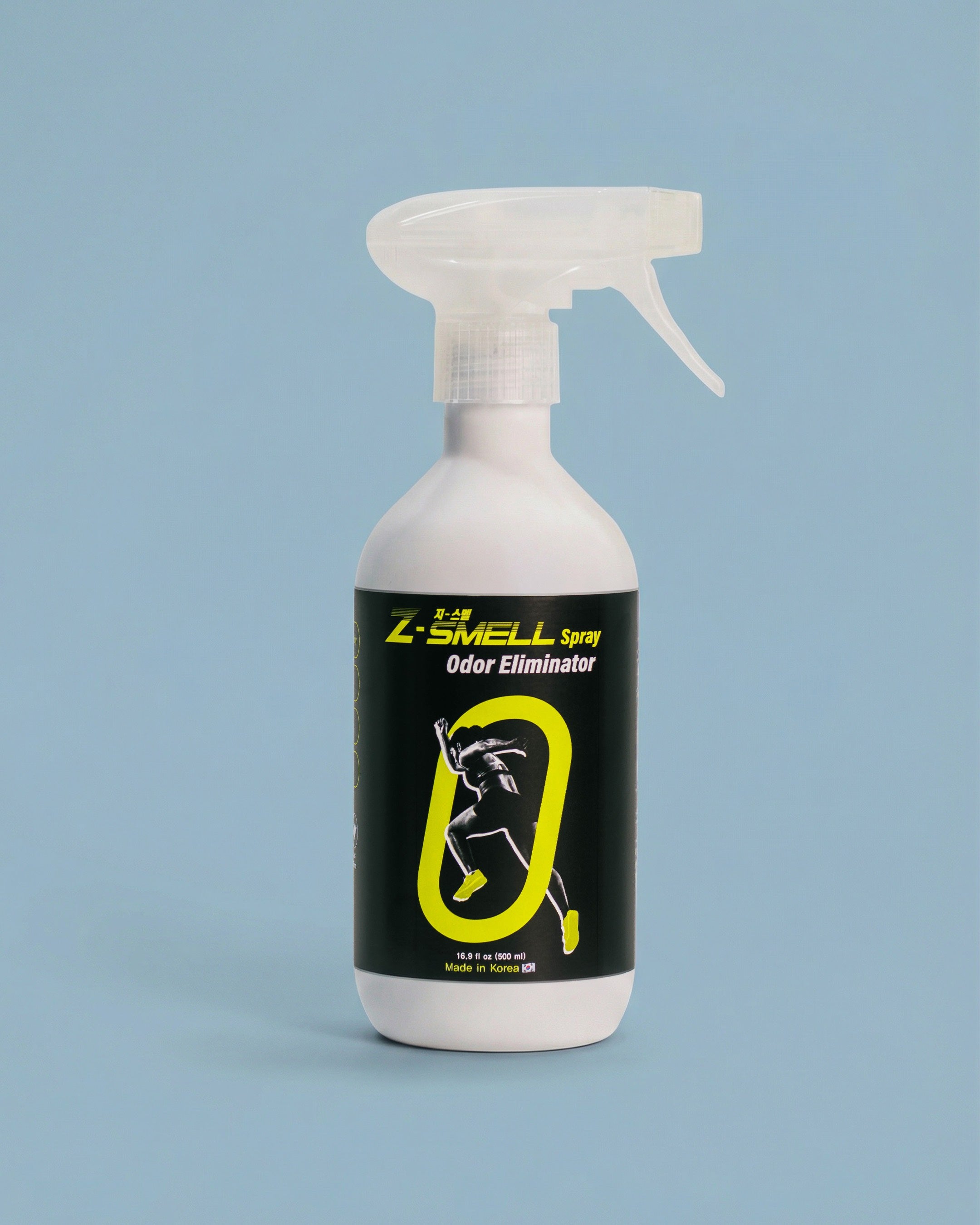
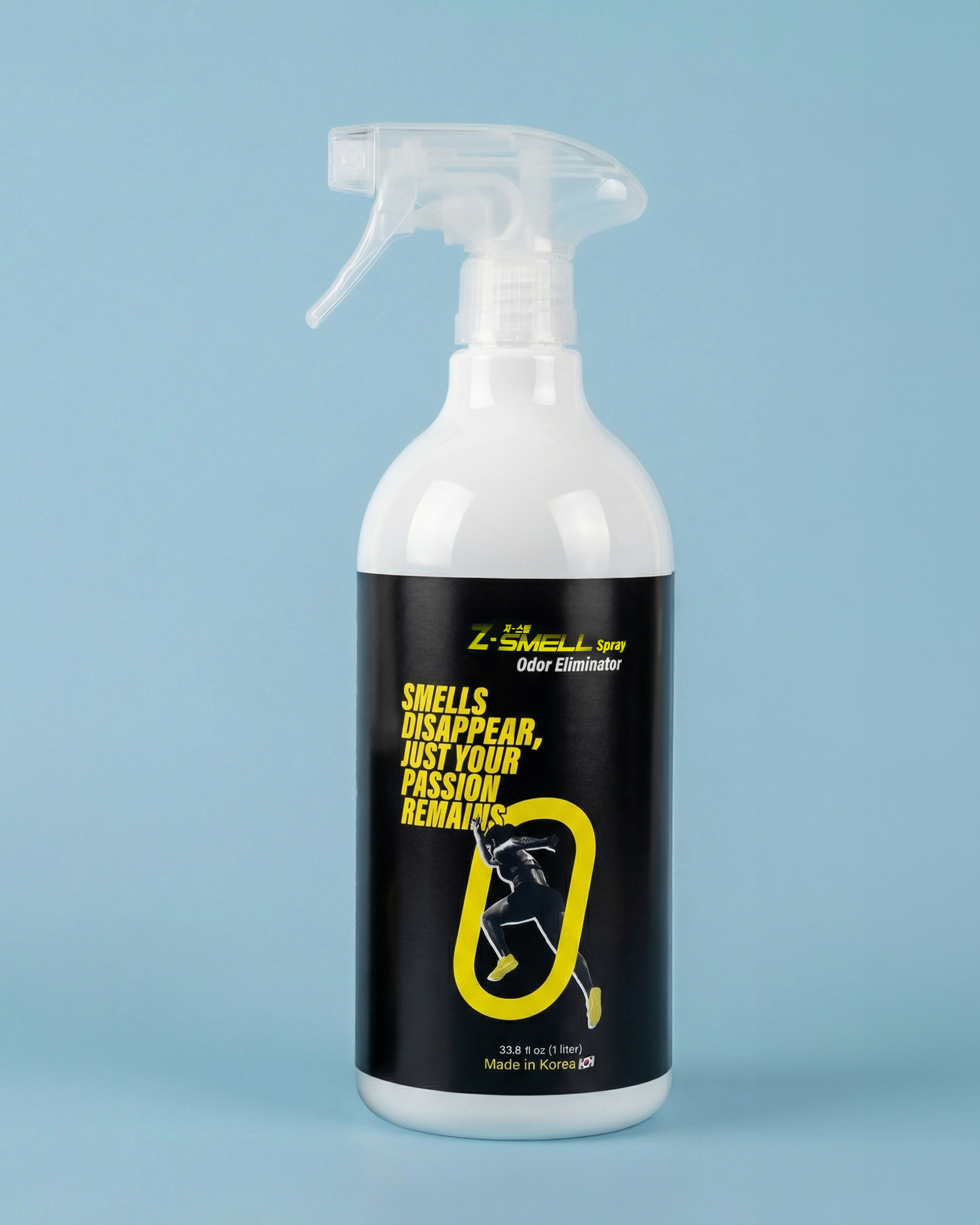
- The Z-Spray 16.9oz costs $19.98 for single-room use, while the 33.8oz costs $34.98 for multi-room homes.
- Patch test a hidden area of fabric or carpet before treating the whole surface.
Table of Contents
- Why Multi-Pet Homes Need a Different Kind of Odor Spray
- What to Check Before Buying a Non-Toxic Odor Spray
- Zero Smell Z-Spray Lineup: Sizes, Prices, and Pros and Cons
- Z-Smell On The Go and Bundle Options
- Pet Odor Spray for Carpets and Bedding: How It Performs
- Pet-Safe Air Freshener Alternatives and Pouches
- Dog Odor Eliminator Home Remedy Versus a Ready-Made Spray
- Choosing the Right Zero Smell Bottle for Your Pet Household
- Frequently Asked Questions
Multi-pet households create odor problems a single cat or dog rarely does. Urine, bedding, shed fur and food smells pile up across carpets, couches and litter areas, and the same spot can be targeted repeatedly. Choosing a non-toxic odor spray here means balancing effectiveness with safety for every animal and any children.
Why Multi-Pet Homes Need a Different Kind of Odor Spray
Odor complaints in a multi-pet home are usually cumulative. One animal's accident is manageable; several animals using the same room creates overlapping scents that masking fragrances blend into a heavier smell.
Zero Smell describes its formula as using beneficial microorganisms to break down odor sources rather than fragrance to cover them. The label lists purified water, EDTA tetrasodium salt and 1,2-benzisothiazol-3(2H)-one as ingredients, and the product is described as unscented and alcohol-free.
What to Check Before Buying a Non-Toxic Odor Spray
"Non-toxic" and "pet-safe" are not regulated product categories in the United States. No federal agency certifies a pet odor spray as non-toxic, and the terms can legally appear on a label with little standardization. The label is a starting point, not a verdict, and the buyer has to verify. The checks below separate a defensible purchase from a marketing claim.
Define the labels before you trust them
Treat "non-toxic" as a statement about acute exposure, the product is unlikely to cause serious harm if a small amount is licked, inhaled, or touched. Treat "pet-safe" as a statement about the species and use pattern the maker had in mind, which may not be the animals in your home. Neither term tells you whether a spray neutralizes odor or masks it, and neither replaces reading the ingredient list and directions.
Read the ingredient list for what to scrutinize
Look for three things: whether the formula is scented or unscented, whether it contains alcohol or other volatile solvents, and whether it lists preservatives and chelators by name. A short, fully disclosed list is easier to assess than a "proprietary blend." Be skeptical of any spray that leans on "essential oil" or "fragrance" as the active odor solution, since those add scent rather than removing the source. For reference, the Zero Smell spray lists purified water, EDTA tetrasodium salt, and 1,2-benzisothiazol-3(2H)-one, and is described as unscented and alcohol-free.
Match the risk to the species, not to "pets" in general
Multi-pet homes are rarely one species, and the exposure risk is not the same across them.
- Dogs are the most likely to lick a treated surface or chew a bottle. Ingestion is the main route to think about, so keep the spray out of reach and let surfaces dry before the dog returns.
- Cats are more sensitive to many essential oils and strong fragrances, and they groom by licking their coats. An unscented, fragrance-free formula is the lower-risk choice in a cat household, and any scented product should be kept off surfaces the cat lies on.
- Birds have a highly efficient respiratory system and are the most vulnerable to airborne irritants. Aerosolized sprays, strong scents, and lingering residue are a real concern, so ventilate and keep birds out of the treated room until it is fully dry.
Think in exposure routes, not just "is it safe"
Four routes matter: licking and ingestion, inhalation, skin contact, and residue left on surfaces the animal uses. A spray can be low-risk by one route and higher by another. Inhalation risk rises with fine mist and poor ventilation; skin and ingestion risk rise when a surface stays damp. The controls are the same: spray rather than fog, ventilate, keep animals off the surface until dry, and store the bottle where it cannot be chewed or knocked over.
Watch out: a product described as safe for dogs is not automatically safe for cats, birds, or small animals, and "natural" or "plant-based" does not mean low-risk around birds or cats.
Separate odor neutralization from fragrance masking
Ask whether the formula is designed to break down the odor source or to cover it. Masking products add scent on top of the smell, which in a multi-pet home tends to produce a heavier combined odor. Neutralizing products act on the source itself. The Zero Smell formula is described as using beneficial microorganisms rather than fragrance to break down the odor source, but confirm the mechanism on any product you consider, because label wording is where masking products most often blur the line.
Check the directions for surfaces and animals
Before buying, read whether the directions name the surfaces you actually need, carpet, upholstery, sealed floors, bedding, litter boxes, and whether they say anything about animals being present. A product with clear surface directions and a stated dry time is easier to use safely than one that only says "spray on odor." Patch test a hidden area of fabric or carpet, and keep pets and children out of the sprayed area until it has dried.
Zero Smell Z-Spray Lineup: Sizes, Prices, and Pros and Cons
Zero Smell sells the same formula in several configurations. Prices below are the listed prices on the brand's site.
| Product | Size | Price | Best For |
|---|---|---|---|
| Z-Spray 16.9oz | 16.9oz / 500ml | $19.98 | Single-room or single-pet use |
| Z-Spray 33.8oz | 33.8oz / 1000ml | $34.98 | Multi-room homes |
| 1 Gallon | 128oz / 4000ml | $69.98 | Heavy, ongoing use |
Z-Spray 16.9oz and 33.8oz Bottles
The 16.9oz bottle at $19.98 is the entry point for testing the spray on one problem area. The 33.8oz bottle at $34.98 costs more up front but gives a multi-pet household more coverage per dollar.
The listing describes the formula as unscented. A single bottle covers only so much ground in a busy home, so households with several animals may need more than one bottle.
Z-Smell On The Go and Bundle Options
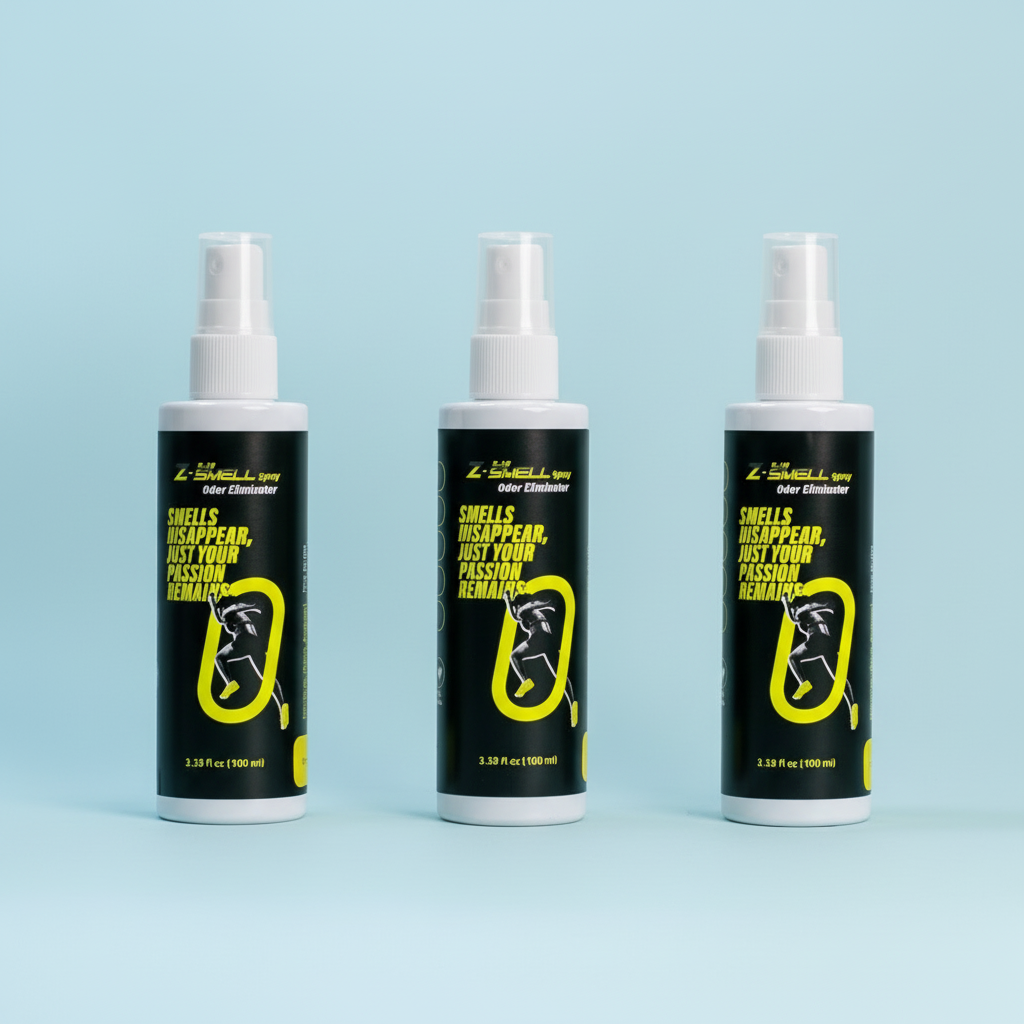
For households that need portability or multiple bottles, Zero Smell offers On The Go and bundle packs. The On The Go single bottle is listed at $9.98, and the three-pack On The Go bundle at $23.98.
Bundles can also combine larger sprays with mini bottles. A bundle can keep odor control close at hand, while Pine Monte Premium Candles raises a separate question about choosing home fragrance around pets.
Pet Odor Spray for Carpets and Bedding: How It Performs
Carpets and pet beds are where multi-pet odor problems usually start, and where a spray is most likely to disappoint if applied without thinking about the surface and the source. The directions are the baseline: shake the bottle, spray a few times on the desired surface, and let it work. Zero Smell lists pet beds and blankets, pet clothes, kennels, litter boxes, carpets, and couches among its intended uses.
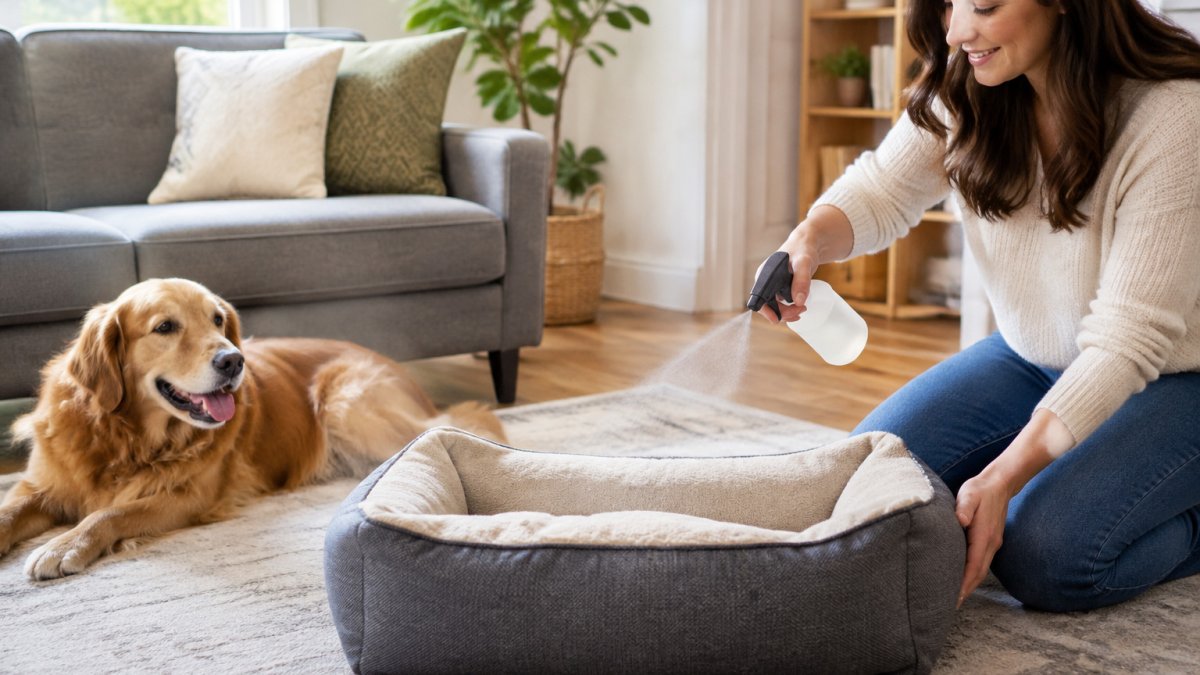
What a multi-pet household is actually asking the spray to do
A single-pet home usually has one odor profile. A multi-pet home stacks several: cat urine in a litter area, dog urine on a rug or couch, wet-dog odor in bedding, and repeated marking on the same spot. Fresh urine is easier to neutralize than urine that has soaked into padding and dried.
Surface-by-surface directions and cautions
- Carpet: Spray the affected area, allow the directed dry time, and keep pets off until dry. For a fresh accident, blot up as much liquid as possible before spraying. For odor that has reached the padding, a surface spray may not penetrate far enough, and a dedicated enzyme cleaner for the underlay is the more reliable next step.
- Upholstery and couches: Patch test a hidden area first, because dyes and delicate weaves can react. Spray lightly rather than soaking, and let the fabric dry fully before the pet returns.
- Sealed floors: Wipe up the excess and follow the directions; unsealed or porous flooring needs a patch test and a lighter application.
Watch out: soaking a carpet or cushion to reach a deep odor can leave residue and prolong dampness, which is its own problem, apply in light passes and let each one dry.
How to read results realistically
In a multi-pet home, the practical test is whether the odor stays gone after the surface dries and after the animal returns. If the smell comes back as soon as the fabric is damp again, the source was not fully reached. If it comes back within a day on the same spot, the animal may be re-marking, a behavior issue rather than a product failure.
A realistic multi-pet test you can run at home
You do not need a lab to compare performance at home. Pick a few problem spots and treat them with the same application method, noting how each smells when dry and again after a day. That record helps you judge the product in your own home.
When the spray is the wrong tool
Some odors are not a spray problem. Persistent marking on the same spot, a sudden change in a pet's odor, or a musty smell that never clears can point to a behavior issue, a health issue, or moisture in the home rather than a surface that needs another treatment. In those cases the spray is a stopgap, and the better response is to address the underlying cause.
Pet-Safe Air Freshener Alternatives and Pouches
Not every household wants a spray. Zero Smell also sells Z-Pouch packs at $19.98 for a three-set box and $9.98 for a single pouch with case.
If you have fragrance-sensitive animals or people, the unscented spray is the better fit. The pouches suit closets, bins and small enclosed spaces where a light scent is acceptable.
Dog Odor Eliminator Home Remedy Versus a Ready-Made Spray
Many owners try homemade mixes first, often with vinegar, baking soda or essential oils. Their strength varies, and some essential oils are not safe around cats. Check any homemade recipe against the animals in your household before using it.
Choosing the Right Zero Smell Bottle for Your Pet Household
For a single room or a single pet, the Z-Spray 16.9oz at $19.98 is a reasonable test.
To see the full range of sizes and bundles, visit the Zero Smell Z-Spray page or compare the 33.8oz bottle against the On The Go bundle.
*Zero Smell's odor spray is a practical starting point for multi-pet homes.
Frequently Asked Questions
Is a non-toxic odor spray safe for multiple dogs and cats at once?
Zero Smell Z-Spray is described as made with bio-based materials and no harmful chemicals, and it is labeled safe for humans and animals. Its ingredients are listed as purified water, EDTA tetrasodium salt, and 1,2-Benzisothiazol-3(2H)-one. In a multi-pet home, spray a test area first, keep animals out of the spot until it dries, and watch for any unusual reaction. If a pet has a known sensitivity or a health condition, check with your veterinarian before using any new product around it.
Can I spray a pet odor eliminator on carpets and bedding?
Zero Smell lists pet beds, blankets, pet clothes, kennels, litter boxes, carpets, and couches among the surfaces it is intended for. Its listing says it eliminates odors that cause pets to urinate in the same location. Test on a hidden corner first, since fabric and carpet fibers vary. Spray a few times, let the surface air out, and allow the product to work before letting pets back on the area.
How do I choose between the 16.9oz, 33.8oz, and 1-gallon sizes?
The 16.9oz/500ml Z-Spray is priced at $19.98, the 33.8oz/1000ml at $34.98, and the 1-gallon 128oz/4000ml at $69.98. For a single household with a few targeted areas, the smaller bottle is easier to store. Multi-pet homes with bedding, carpets, and litter areas to cover usually get more value from the 33.8oz or gallon size, since the per-ounce cost drops as the bottle gets larger.
Is a non-toxic spray a substitute for a home remedy like vinegar or baking soda?
Home remedies such as vinegar and baking soda are inexpensive. Zero Smell's listing describes bio-based microorganisms that break down the source of odor rather than covering it with fragrance. Many multi-pet owners use a ready-made spray for stubborn spots and keep baking soda for routine deodorizing of litter areas and bedding between washes.