

Does Bio-Based Odor Removal Actually Work?
Table of Contents
- The Truth About Bio-Based Odor Removal
- How Bio-Enzymatic Cleaners Work
- Bio-Based vs. Chemical Odor Removal
- Removing Pet Odors Naturally
- What Bio-Based Odor Removal Can and Cannot Do
- Safety for Families and Pets
- Making the Switch to Bio-Based Solutions
- Frequently Asked Questions
Last Updated: September 30, 2026
The Truth About Bio-Based Odor Removal
Does bio-based odor removal actually work? The short answer is yes, but not the way most people think. The confusion comes from conflating two entirely different approaches: masking odors with fragrance versus neutralizing them at the source. Bio-based odor removal belongs to the second category. Instead of covering up smells with artificial scents, bio-based products use naturally occurring microorganisms and enzymes to break down the chemical compounds that create odors in the first place. This fundamental difference matters, especially if you're dealing with persistent problems like gym gear, pet accidents, or car interiors where traditional air fresheners fail.
This guide cuts through the marketing noise and explains the science behind what actually neutralizes odors, how to identify products that genuinely work, and which situations call for bio-based solutions versus other approaches.
How Bio-Enzymatic Cleaners Work
Bio-enzymatic cleaners rely on beneficial microorganisms and enzymes to attack the root cause of odors. When organic matter, sweat, urine, food residue, or decay, breaks down, it releases volatile organic compounds that our noses detect as smell. Bio-based products introduce microbes and enzymes that consume this organic matter, converting it into odorless byproducts. The process isn't instantaneous like chemical oxidation, but it's thorough and leaves no toxic residue behind.
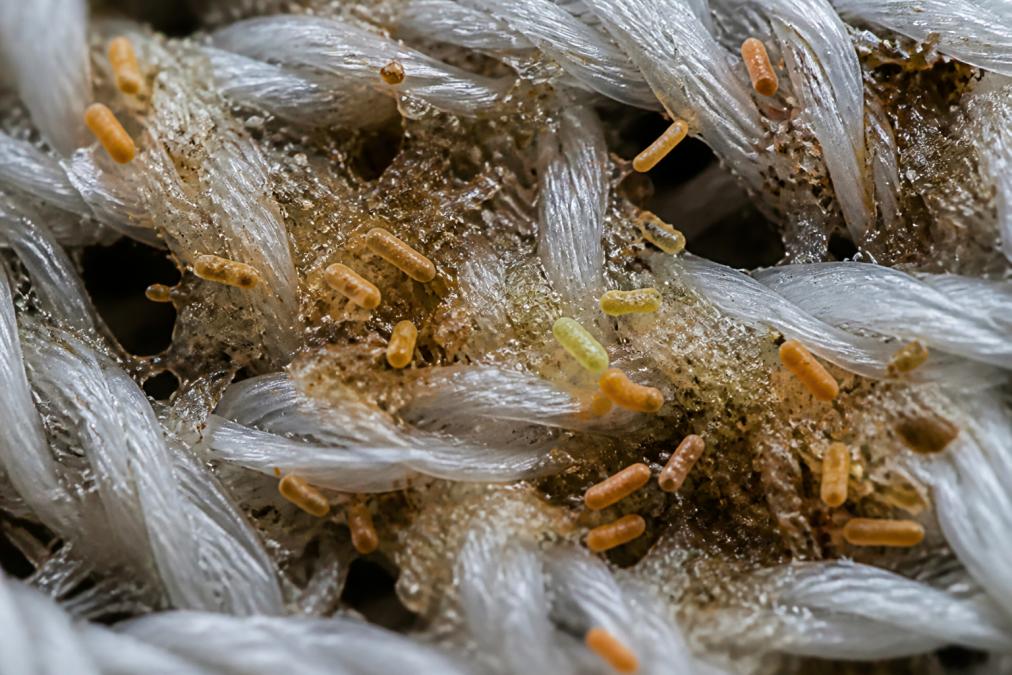
The microorganisms in these products work through a process called enzymatic digestion. Enzymes are biological catalysts that speed up chemical reactions (Enzymes: principles and biotechnological applications). In this case, they break the molecular bonds in odor-causing compounds. The microbes then consume the broken-down material as food, multiplying in the process until all available organic matter is consumed. Once their food source is gone, the microbes die off naturally. This self-limiting cycle is why bio-enzymatic products don't create environmental problems, they don't persist indefinitely like synthetic chemicals.
Different formulations target different odor sources. Some excel at breaking down protein-based odors like sweat and urine. Others work better on food-based smells or mold. Different formulations target different odor sources. Some excel at breaking down protein-based odors like sweat and urine. Others work better on food-based smells or mold.
The enzymes in bio-based products work best in warm, moist environments. Applying them to damp surfaces and letting them sit for several hours, not just spraying and walking away, dramatically improves results. This is where people often fail with bio-based solutions: they expect instant results like chemical sprays provide.
Bio-Based vs. Chemical Odor Removal
The difference between bio-based and chemical approaches comes down to mechanism and aftermath. Chemical odor eliminators, typically based on oxidation (using compounds like chlorine dioxide or hydrogen peroxide) or masking agents (fragrances), work through brute force. Oxidizers chemically destroy odor molecules. Masking agents simply overwhelm the smell receptors in your nose with a stronger scent. Both deliver fast results, usually within minutes.
| Approach | Speed | Safety Profile | Surface Compatibility | Residue | Best For |
|---|---|---|---|---|---|
| Bio-based enzymatic | Slow (hours) | Non-toxic, pet/child safe | Most fabrics and porous surfaces | None | Persistent organic odors, sensitive households |
| Chemical oxidizers | Fast (minutes) | Irritant potential, fumes | Limited (can damage some fabrics) | Chemical residue | Urgent situations, non-porous surfaces |
| Masking agents | Instant | Generally safe | Universal | Fragrance residue | Temporary coverage only |
Bio-based products trade speed for safety and thoroughness. They don't create harmful fumes, won't bleach or damage most fabrics, and leave no toxic residue. Chemical oxidizers work faster but generate fumes during application, can damage delicate textiles, and leave behind oxidation byproducts. Masking agents are safest but don't actually eliminate odors, they just hide them temporarily until the fragrance fades.
The real advantage of bio-based solutions emerges over time. Bio-based products eliminate the source material itself, so odors stay gone longer. For problems like pet urine that has soaked into carpet padding or sweat embedded in athletic gear, this difference is significant.
Removing Pet Odors Naturally
Pet odors present one of the strongest cases for bio-based odor removal. Pet urine contains uric acid compounds that persist long after the liquid dries. These compounds crystallize and become nearly impossible to reach with surface-level treatments. The smell lingers because the source material is still there, embedded in carpet fibers, padding, and sometimes concrete subfloors. A masking agent will fail here. Even chemical oxidizers often miss the problem because they can't penetrate deep enough into porous materials.
Bio-enzymatic products designed for pet odors specifically target uric acid breakdown. The microorganisms and enzymes in these formulations have evolved to consume exactly this type of compound. When applied properly, saturating the affected area and allowing time for the enzymes to work, they can eliminate odors that seem permanent. This is why many pet owners report that bio-based solutions finally solved problems that nothing else touched.
The application method matters enormously. Spray bottles work for light odors on surfaces, but serious pet accidents require saturation. Some people use enzyme-based products in a spray bottle and then cover the area with plastic to keep it moist for 24-48 hours, allowing the microbes to multiply and work through the material. Others dilute the product and pour it directly into carpet to reach the backing and padding. The longer the enzymes stay active and moist, the more complete the odor elimination. Deep-seated contamination often migrates past the padding, necessitating a more intensive approach to removing pet odors from subfloors.
One limitation: if urine has soaked through carpet into wood subfloors, no surface treatment will fully solve the problem. The wood itself becomes a permanent odor source. In these cases, the carpet and padding usually need replacement, though bio-based products can still reduce the smell significantly.
What Bio-Based Odor Removal Can and Cannot Do
Understanding the boundaries of bio-based odor removal prevents disappointment and wasted money. These products excel at breaking down organic matter, anything that was once alive or is composed of biological material. Sweat, urine, food residue, mold, mildew, and decay all fall into this category. If the odor comes from bacteria breaking down organic material, bio-based enzymes can attack the problem at the source.
Bio-based solutions cannot effectively eliminate odors from inorganic sources. Gasoline, diesel, solvents, or chemical fumes require different approaches. They also struggle with odors trapped in materials they cannot penetrate, like the interior foam of a car seat or old stains sealed beneath polyurethane finishes. And they won't work on odors caused by decomposition of synthetic materials or industrial pollutants.
The speed limitation is real. Most bio-based products need several hours to show results, and deep penetration requires 24-48 hours. If you need an odor gone in 10 minutes, a chemical oxidizer or masking agent is the right tool. But if you're willing to wait and want a solution that actually eliminates the source, bio-based products deliver better long-term results.
Safety for Families and Pets
The safety profile of bio-based odor removal is one of its strongest advantages. The microorganisms used in these products are naturally occurring bacteria and fungi. They pose no threat to human health or pets. The enzymes are proteins that break down specific organic compounds, they don't persist in the environment or accumulate in the body.
This makes bio-based solutions ideal for households with young children, pregnant women, or pets that might lick treated surfaces. Chemical oxidizers, by contrast, can irritate respiratory systems, especially in people with asthma or chemical sensitivities. Masking agents contain synthetic fragrances that trigger allergic reactions in many people and can be harmful if ingested by pets.
The product formulation matters. Reading the ingredient list and manufacturer specifications is important.
Storage and handling are straightforward. Bio-based products don't require special ventilation during application, and they can be used in closed spaces like car interiors or bathrooms without concern. Once applied and dry, they leave no chemical residue that could off-gas or accumulate on surfaces.
Making the Switch to Bio-Based Solutions
If you're considering switching from chemical or masking-based odor control to bio-based solutions, a few practical steps improve your success rate. First, identify what type of odor you're dealing with. Is it organic (sweat, pet waste, food, mold) or inorganic (fuel, chemicals, industrial pollutants)? Bio-based works best on organic sources. If you're unsure, bio-based is still worth trying, it won't harm anything and might surprise you with results.
Second, prepare the affected area. Remove as much visible debris as possible.
Frequently Asked Questions
What is the difference between masking an odor and neutralizing it?
Masking covers up odors with fragrance, like traditional air fresheners or sprays. Neutralizing actually breaks down the odor molecules at the source. Bio-based odor removal works by using microorganisms to enzymatically digest the compounds that cause smells, eliminating them rather than hiding them. This is why the smell doesn't return when the fragrance fades.
Are bio-based odor removers safe for pets and children?
Yes. Bio-based odor removers like Z-Smell Spray are non-toxic, alcohol-free, and made from naturally occurring microorganisms. They contain no harsh chemicals, making them safe for use around pets and children. The formula is designed to break down odors without releasing harmful fumes or residues that could trigger allergies or sensitivities.
How do bio-enzymatic cleaners break down odors?
Bio-enzymatic cleaners use beneficial microorganisms that produce enzymes capable of breaking the chemical bonds in odor molecules. These microbes consume the organic compounds responsible for smells through a process called enzymatic digestion. The result is complete odor elimination, not just temporary coverage. This molecular breakdown is why bio-based solutions work on stubborn, persistent odors.
Can bio-based products remove deep-set urine odors and gym equipment smells?
Yes. Bio-based odor removers are particularly effective on organic odors like urine, sweat, and food smells because these are exactly what the microorganisms are designed to break down. For gym gear, athletic equipment, and pet accidents, bio-enzymatic solutions penetrate porous surfaces and eliminate the odor at its source, not just on the surface.