

Why Household Odors Return Quickly
Table of Contents
- Why Household Odors Return So Quickly
- How to Find the Source of a Bad Smell in a House
- Why Musty Smell in House Keeps Coming Back
- How to Remove Odors from Carpet and Upholstery
- Odor Eliminator vs Air Freshener: Why One Works and One Doesn't
- The HVAC System Role: Dust, Filters, and Recirculation
- Prevention: Stop Odors from Returning
- Frequently Asked Questions
Last Updated: October 12, 2026
Why Household Odors Return So Quickly
Odors don't just vanish. They linger in places you can't see and come back when conditions are right. Understanding why household odors return quickly is the first step to stopping them for good.
Most people treat odor like a surface problem. They spray air freshener, open a window, and think the job is done. But odors are chemical compounds that settle into fabrics, carpets, walls, and hidden corners. Until you address the source, the smell will return, sometimes within hours.
The real issue is that odors don't disappear on their own. Air fresheners and scented sprays mask the problem temporarily. They add fragrance on top of the bad smell, but they don't eliminate what's causing it. Once the fragrance fades (usually within 48 hours), the original odor emerges again.
The answer comes down to three factors: the odor source hasn't been removed, the environment keeps producing the smell, and you're using the wrong elimination method. We'll walk you through each one and show you how to break the cycle.
How to Find the Source of a Bad Smell in a House
Finding where a smell originates is half the battle. Most people search randomly, wasting time and frustration. A systematic approach works faster and reveals problems you might otherwise miss.
Start in the room where the smell is strongest. This is usually where the source is located or where odor-producing conditions are worst. Walk through the space slowly. Pay attention to areas that feel damp, smell worse when you get close, or have visible stains.
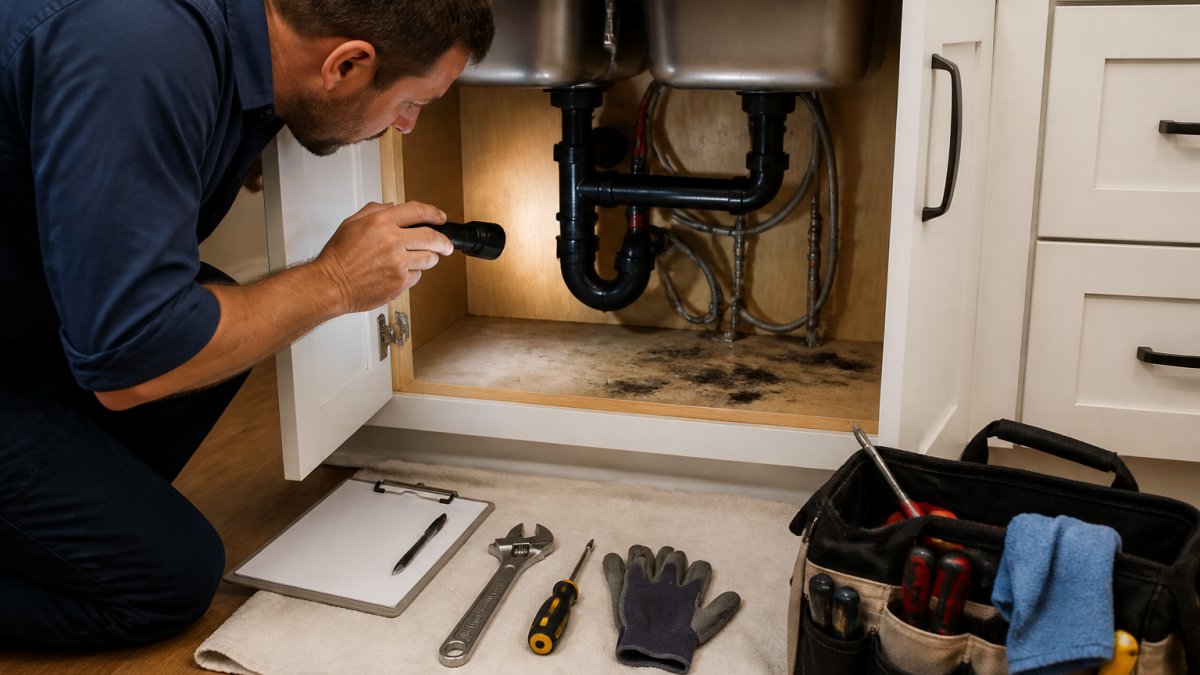
Common odor sources hide in plain sight. Drains, trash cans, pet areas, and HVAC vents are frequent culprits. Check each one before moving to less obvious locations.
Room-by-Room Odor Source Checklist
Use this checklist to find what's causing the smell:
Kitchen
- Check under the sink for moisture and mold
- Inspect the garbage disposal for food residue
- Look inside the trash can and under it
- Sniff the dishwasher door seal
- Check the refrigerator drain pan
Bathroom
- Examine the drain for buildup
- Look under the sink for leaks
- Check the exhaust fan vent
- Inspect grout and caulk for mold
Bedroom and Living Areas
- Check under cushions and between couch cushions
- Inspect pet bedding and sleeping areas
- Look at carpet seams and corners
- Check closets for moisture or mold
Basement or Crawl Space
- Look for standing water or dampness
- Check for mold on walls or insulation
- Inspect HVAC ducts and returns
- Look for dead animals or pest droppings
Laundry Area
- Check washing machine seals and hoses
- Inspect the dryer vent
- Look for damp clothing left in machines
Hidden Moisture and Plumbing Traps
Moisture creates the perfect environment for odors to form and linger. Hidden moisture is often the real culprit behind smells that keep coming back.
Plumbing traps are U-shaped pipes under sinks and drains. They hold water that blocks sewer gases from entering your home. When traps dry out, sewer gas escapes and creates a foul smell.
Run water down drains you don't use regularly. This refills the trap and blocks odors. Do this monthly for guest bathrooms and unused sinks.
Water leaks behind walls or under floors create hidden moisture pockets. These damp areas grow mold and bacteria, which produce odors that smell musty or earthy. You might not see the leak, but the smell gives it away.
Look for soft spots on walls, discoloration, or areas that feel damp to the touch. These signal moisture problems that need immediate attention. Call a professional if you suspect structural moisture.
Why Musty Smell in House Keeps Coming Back
A musty smell in house conditions points to moisture and stagnant air. These two problems work together. Moisture creates the smell. Stagnant air traps it indoors.
The musty smell in house spaces develops when moisture mixes with dust, mold spores, and bacteria. The result is that distinctive old-house or closed-up smell. It's not just unpleasant, it signals a moisture problem that will get worse if ignored.
Stagnant Air and Poor Airflow
Air needs to move. Stagnant air concentrates odors and allows moisture to accumulate. Homes with poor airflow trap smells inside, and they linger for days.
Windows stay closed in winter and summer (when heating or cooling is running). This creates sealed environments where odors build up. Bedrooms, closets, and bathrooms are especially vulnerable because they're often closed off from the rest of the house.
Open windows when weather permits. Even 15 minutes of fresh air makes a difference. Use ceiling fans to push stagnant air around. Bathroom and kitchen exhaust fans should run during and after showers or cooking.
Air conditioning and heating systems can worsen odor problems. If filters are dirty or ducts are dusty, the HVAC system recirculates stale, odor-filled air. The same air keeps cycling through your home, and odors intensify.
Excess Humidity and Trapped Moisture
Humidity above 50% creates ideal conditions for mold, mildew, and bacteria. These organisms produce the musty smell in house environments that won't go away.
Bathrooms, basements, and kitchens are humidity hotspots. Showers, cooking, and appliance use release moisture. If that moisture can't escape, it gets trapped in walls, carpets, and furniture.
Use a dehumidifier in damp areas. Keep bathroom and kitchen exhaust fans running during and for 20 minutes after use. Wipe down wet surfaces to prevent moisture from soaking into materials.
Condensation on windows signals high humidity. This moisture eventually drips down into walls and window frames, creating hidden moisture pockets. Improve ventilation and reduce indoor moisture sources.
How to Remove Odors from Carpet and Upholstery
Carpets and upholstered furniture absorb odors and hold them. These porous materials trap odor molecules deep inside the fibers, where surface cleaning can't reach them.
Vacuuming removes dust and debris but doesn't eliminate odors. The smell remains trapped in carpet backing and cushion filling. Opening windows or using air fresheners masks the problem temporarily.
For mild odors, sprinkle baking soda on carpet and upholstery. Let it sit for 30 minutes, then vacuum thoroughly.
For stronger odors, professional cleaning or targeted odor elimination works better. Enzyme-based cleaners and bio-based odor eliminators break down the chemical compounds causing the smell, rather than just covering them up.
Spray odor eliminators directly onto affected areas. A product like Z-Spray uses bio-based microorganisms to neutralize odors at the source instead of masking them with fragrance.

Don't saturate fabrics. Use just enough product to lightly treat the area. Excess moisture can cause mold growth or water damage.
Odor Eliminator vs Air Freshener: Why One Works and One Doesn't
This distinction matters more than most people realize. Air fresheners and odor eliminators work in completely different ways.
Air fresheners add fragrance to cover bad smells. They work for minutes to a few hours. Once the fragrance fades, the original odor returns.
Odor eliminators neutralize the chemical compounds that create smells. They work by breaking down odor molecules or absorbing them into a material. The result is genuine odor removal, not masking.
A true odor eliminator targets the source. If you smell gym gear or pet bedding, an effective product breaks down the sweat or urine compounds.
Many products claim to eliminate odors but actually just add strong fragrance. Read the label. If it says "fragrance," "scent," or "perfume" as the main ingredient, it's masking the smell, not removing it.
Zero Smell products use bio-based microorganisms that break down odor molecules. No fragrance. No chemicals. Just effective odor elimination. A few sprays on problem areas are highly effective.
The HVAC System Role: Dust, Filters, and Recirculation
Your HVAC system either helps or hurts your odor problem. A clean system reduces odors. A dirty one spreads them throughout your home.
Dirty air filters restrict airflow and trap dust, mold spores, and odor particles. The system then recirculates this contaminated air.
Replace air filters every 1-3 months, depending on use and air quality. Homes with pets or allergies may need monthly replacement. Check filters visually, if they look gray or clogged, replace them.
Dust buildup in ducts worsens odor problems. Dust traps odor molecules and provides food for bacteria and mold. When the system runs, it blows dusty, odor-filled air throughout your home.
Have ducts professionally cleaned if you notice dust around vents or smell odors that seem to come from the HVAC system.
Check return air vents and intake areas for blockages. Furniture, curtains, or pet hair can block airflow, causing the system to work harder and recirculate air less effectively.
Prevention: Stop Odors from Returning
Once you've eliminated a smell, keeping it gone requires maintenance. Prevention is easier than elimination.
| Prevention Step | Frequency | Why It Matters |
|---|---|---|
| Replace HVAC filters | Every 1-3 months | Prevents dust and odor recirculation |
| Run exhaust fans | During and after moisture-producing activities | Removes humidity and odors |
| Open windows | Daily when weather permits | Refreshes indoor air |
| Check drains | Monthly | Refills traps and prevents sewer gas |
| Vacuum and dust | Weekly | Removes dust that traps odors |
| Treat problem areas | As needed | Prevents odor buildup |
| Monitor humidity | Ongoing | Humidity above 50% encourages odors |
Identify your specific odor triggers. If cooking smells linger, run the exhaust fan longer. If pet odors return, treat bedding and floors more frequently. If musty smells develop after humid weather, focus on moisture control.
Keep a dehumidifier running in damp areas during humid months. This prevents moisture from accumulating and creating conditions where odors grow.
Treat problem areas proactively. Don't wait for smells to return. If you know a carpet, couch, or gym bag tends to smell, treat it monthly with an effective odor eliminator.
Household odors return because the source isn't fully removed and conditions keep producing the smell. Air fresheners mask the problem temporarily, but they don't solve it.
Zero Smell's bio-based formula targets odor sources directly. The result is a genuinely fresh home without harsh chemicals or lingering fragrance. Shop the Z-Spray and stop the odor cycle for good.
Frequently Asked Questions
Why does my house smell bad again after I clean it?
Cleaning removes visible dirt but doesn't always eliminate the root cause. If the source is trapped in porous materials like carpet, upholstery, or within your HVAC system, odors recirculate through the air. Stagnant air and excess humidity also allow bacteria and mold to regrow quickly. An odor eliminator that breaks down the chemical source, rather than just masking it with fragrance, stops the smell from returning within 48 hours.
How long does an odor eliminator actually last compared to air fresheners?
Air fresheners mask odors for a few hours to days, then fade as the fragrance dissipates. An odor eliminator like Z-Spray works at the molecular level to neutralize the source, providing long-lasting results. Because it targets the root cause rather than covering it up, you need fewer applications and the effect lasts much longer, especially when you address the underlying moisture, airflow, or residue issues.
Can poor ventilation and humidity really make household odors come back faster?
Yes. Stagnant air traps odor molecules indoors, and excess humidity creates the ideal environment for mold, mildew, and bacteria to thrive. These organisms produce odors continuously. If your home lacks airflow or has moisture trapped in walls, carpets, or under floors, odors don't just linger, they intensify and return quickly even after cleaning. Improving ventilation and reducing humidity are as important as eliminating the source itself.
Is a non-toxic odor eliminator really as effective as chemical sprays?
Bio-based odor eliminators like Z-Spray are designed to break down the chemical bonds that create odors using beneficial microorganisms, making them effective at the source. They work without harsh chemicals, making them safe for children, pets, and people with fragrance sensitivities. Many households report positive results compared to chemical alternatives, with the added benefit of no toxic residue or lingering chemical smell.